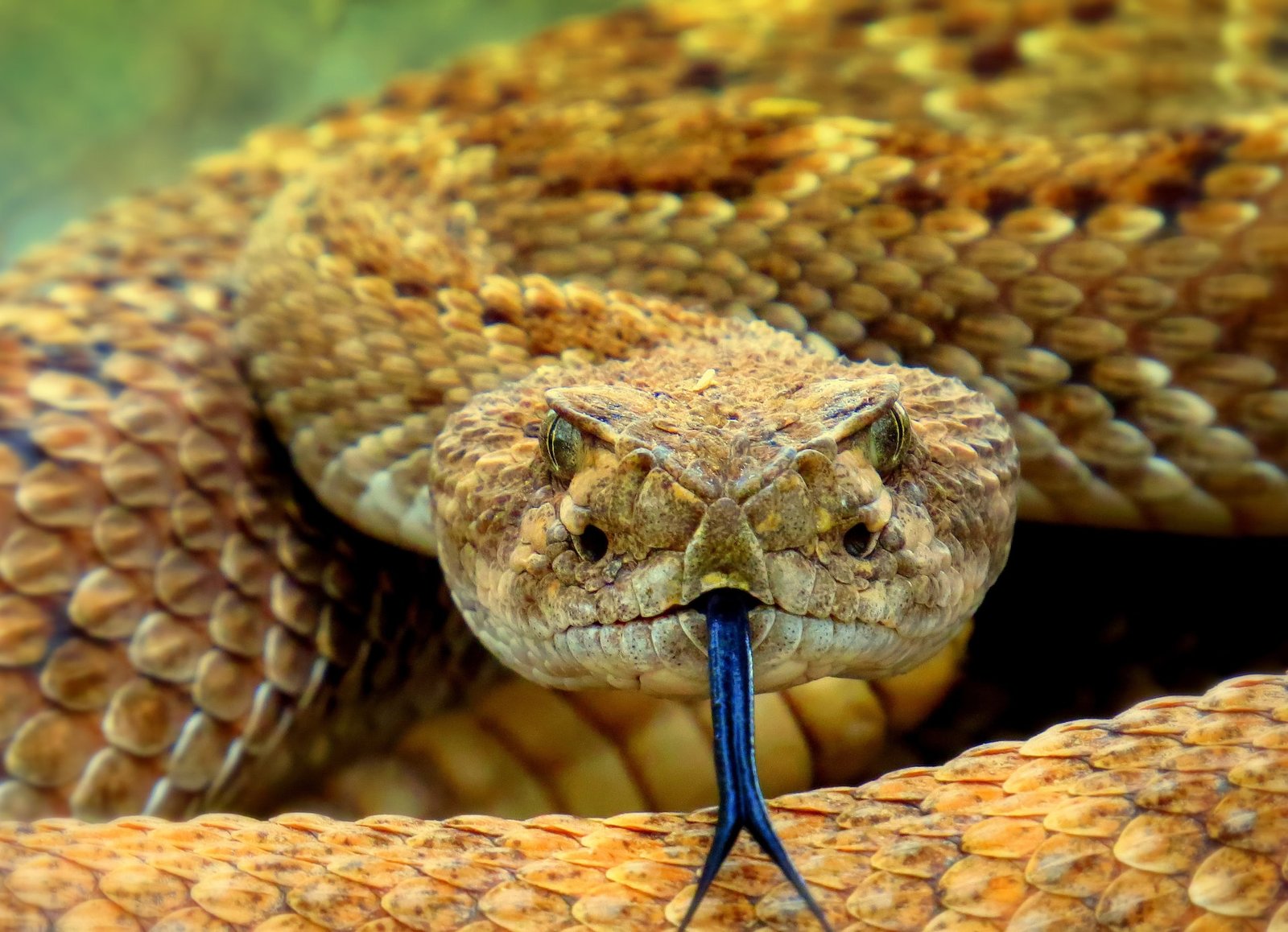
There are over 3,000 snake species on the planet, except New Zealand, Greenland, Iceland, Antarctica, and Ireland. Each of them has impressive and distinct characteristics that distinguish them by size, color, and venom efficacy. This video sheds light on some snake species that can grow to enormous proportions. Prepare to be amazed as I take you through the list of the world’s ten largest snakes!
October 2022
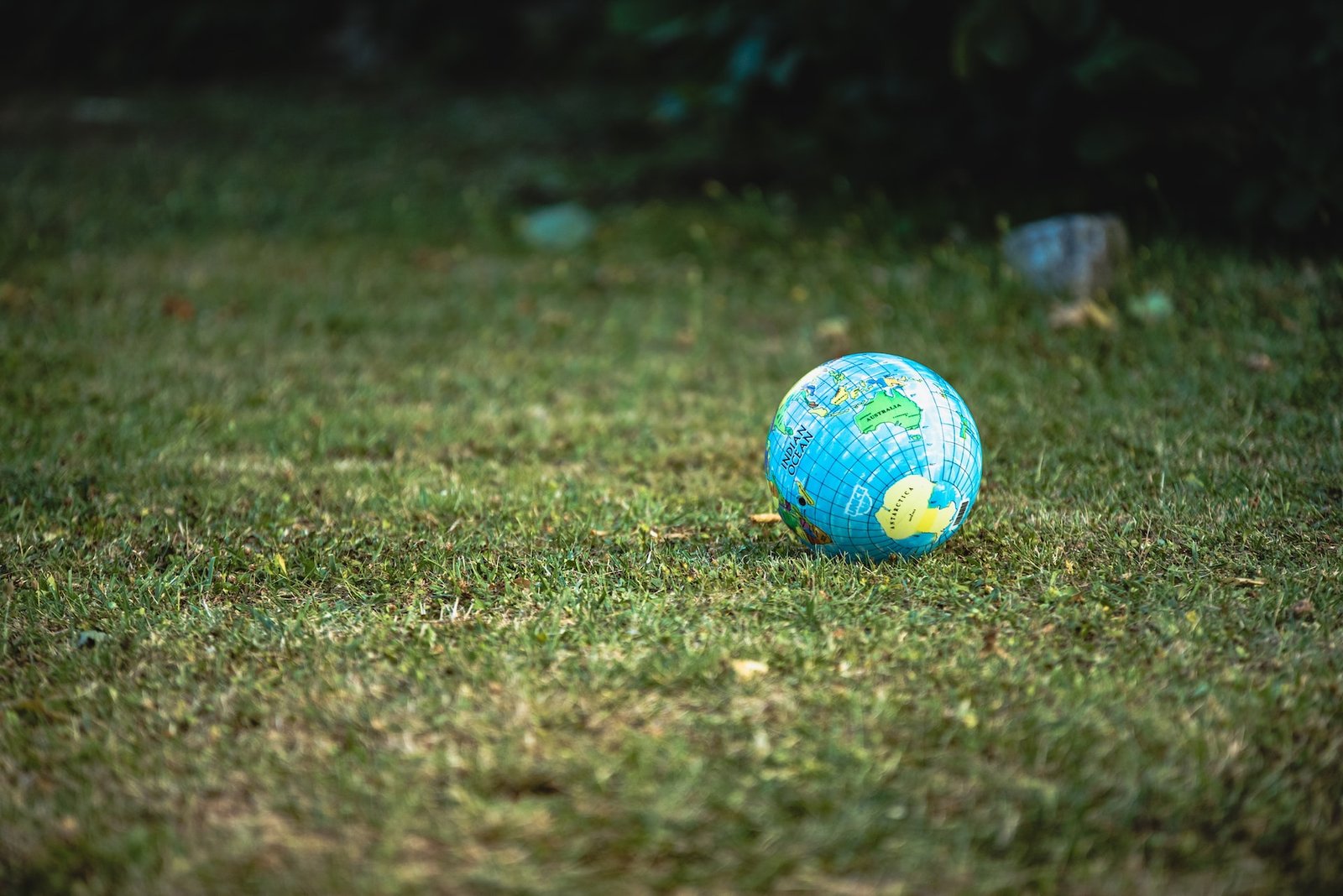
- In our solar system, Earth is the third planet from the sun.
Its name comes from the old English and Germanic words meaning ‘the ground’.
- Our planet is 4.5 billion years old.
Scientists examine rock and sediment to determine the age of that piece of sediment in order to determine the age of the Earth. However, it is not as simple as one might think. Plate tectonic processes mean that the Earth is constantly recycling its rock, breaking it down into magma in the interior and pumping it back up to the surface. The oldest rock discovered comes from Australia and serves as the foundation for scientists’ estimates of Earth’s age.
- A year on Earth does not equal 365 days.
It is, in fact, 365.2564 days. It’s this additional. Because there are 2564 days in a year, a leap year is required every four years. That’s why, every four years – 2004, 2008, 2012, and so on – we add an extra day to February.
- How many Moons does Earth have?
The Earth technically has only one moon. Earth, on the other hand, has two orbitals known as 3753 Cruithne and 2002 AA29, which are part of a larger population of asteroids known as Near-Earth Objects (NEOs). The asteroid known as 3753 Cruithne measures 5 km across, and is sometimes called “Earth’s second moon”. It does not actually orbit the Earth, but it is in a synchronized orbit with it. It also has an orbit that appears to follow the Earth’s orbit, but it actually follows its own, distinct path around the Sun.
- That is a lot of snow!
Every winter, 1 Septillion snow crystals cover the Earth. That’s a trillion, trillion snowflakes. Get the shovel, someone!
- Antarctica
Did you know Antarctica is classified as a desert? The inner regions receive only 2 inches (50 millimeters) of precipitation per year (typically as snow, of course). Despite its desert-like climate, Antartica contains 70% of the world’s freshwater and 90% of the world’s ice!
- The World’s Longest Mountain Range is underwater
To find the world’s longest mountain range you’d have to look down, way down. The mid-ocean ridge is a massive volcanic mountain chain that encircles the planet beneath the sea. It is more than 30,000 miles (48,000 kilometers) long and rises 18,000 feet (5.5 kilometers) above the seafloor on average. This is the location where the Earth’s plates spread apart as new crust bubbles up, resulting in the majority of the planet’s volcanic eruptions.
- Earth was once purple
According to this Live Science article, ancient microbes may have harnessed the sun’s rays using a molecule other than chlorophyll, one that gave the organisms a violet hue. According to the article, chlorophyll evolved after another light-sensitive molecule known as retinal was already present on early Earth. Retinal, which is now found in the plum-colored membrane of a photosynthetic microbe called halobacteria, absorbs green light and reflects back red and violet light, which appears purple when combined. The theory could explain why, despite the fact that the sun transmits the majority of its energy in the green part of the visible spectrum, chlorophyll absorbs primarily blue and red wavelengths.
- The Earth Self-Recycles
Did you know that our Solar System’s only planet with plate tectonics is Earth? The Earth’s outer crust is divided into several regions known as tectonic plates. A magma interior beneath that causes the plates to move, occasionally crashing into one another. Magma bubbles up and forms new crust as they collide and pull apart.
This vital process is responsible for earthquakes, volcanic eruptions, mountain formation, and ocean trenches. However, it is also a part of the carbon cycle, in which microscopic organisms and plants die, fall to the bottom of the ocean, where they are absorbed, and the remnants of this life, rich in carbon, are carried back into the Earth’s interior and recycled over long periods of time. This removes carbon from the atmosphere, preventing a runaway greenhouse effect like the one that occurred on Venus. There would be no way to recycle this carbon without the action of plate tectonics, and the Earth would become overheated.
- The only planet in our solar system known to support life is Earth
This is due to the fact that it contains two essential elements for the survival of living creatures: plenty of oxygen and plenty of water! Because of its distance from the sun, it is neither too hot nor too cold for creatures to live on.
Few people do without a glass or two during the holidays, but experts recommend choosing alcohol very carefully and responsibly so that fun does not turn into a big headache.
—
The main criterion for choosing a drink is its quality. Experts say that you should not save on buying drinks from unknown manufacturers, it is better to spend a little more and protect your health. However, it turns out that the color of the glass is also of great importance.
Specialists claim: the brighter the color of the alcoholic drink, the harder the body tolerates it and the stronger the hangover.
Alcohol poisons the body, but in small quantities, the body is ready to cope with such a “blow”, much worse if the drink also contains various impurities, thanks to which it acquires color and taste. All of them, especially those that give bright and unusual colors, are toxins.
Experts advise not to abuse any drinks but consider
It is also worth noting that we are talking only about “pure” drinks. Doctors are even more pessimistic about cocktails. This is especially true for drinks that contain several types of alcohol at the same time – this is guaranteed to cause a strong hangover, “strain” the liver and have a bad effect on the work of the kidneys.
1. Earth Is Radioactive
Earth generates up to 40 terawatts of heat, half of which comes from radioactive decay in its core. Scientists measured particles called antineutrinos that streamed up from Earth’s core and found that half of Earth’s heat is generated through the radioactive decay of certain elements.
2. Seas Could Rise 2.5 Feet (76 cm) By 2100
We are on track for a two-foot sea level rise by the end of the century. The consequences of a one- to two-foot rise in sea level could be severe threats to low-lying island nations, the loss of narrow, shallow beaches, and the extinction of marine ecosystems.
3. The Planet Is 10K Times Older Than Humans
Planet Earth is estimated to be 4.5 billion years old. People has been around for at most 450,000 years, that is 1/10,000 the age of the planet. And then, more recently, we spread across the entire globe in 1/100,000 of the planet’s age.
4. Who “Named” the Earth? We Don’t Know…
Unlike other planets, no real historical data on the person (or group) who named our planet “Earth” can be found. Earth is the only planet not named after a Greek or Roman god, and its name derives from Old English and High Germanic.
5. Earth Is Massive Heat Engine
Earth is a massive heat engine. Heat from the Sun is absorbed where it is warm (low latitudes and the surface) and heat is radiated as infrared where it is cold (higher latitudes and the atmosphere). The heat engine’s work is converted into the kinetic energy of winds and storms.
Today, we recognize more than 50 seas around the world. A sea is a division of the ocean that is completely or partially surrounded by land. Having said that, the Caspian Sea, Dead Sea, and Aral Sea are all saltwater lakes that lack an outlet to the ocean. By this definition, the Gulf of Mexico and Hudson Bay are not seas.
TOP 5 Interesting Sea Facts:
1. The largest Sea
The Bering Sea is the largest at 876,000 square miles (2,270,000 square kilometers).
2. The saltiest Sea
The Red Sea is the world’s saltiest sea, with 41 parts salt per 1,000 parts water.
3. The warmest Sea
The Red Sea is the warmest sea on the planet, with temperatures ranging from 68 degrees to 87.8 degrees F depending on which part you measure.
4. The coldest Sea
Greenland, Barents, Beaufort, Kara, Laptev, and East Siberian Seas are located near the north pole, while the Weddell and Ross Seas are located near the south pole. The Baltic Sea is also one of the coldest seas on the planet.
5. Sea freezes
Sea water freezes at around 28 degrees F, depending on the amount of salt in the water. A high salt content lowers the freezing temperature, while a low salt content raises the freezing temperature.
14 Amazing Historical Facts
#1
- Plague During the Middle Ages, some doctors wore a primitive means of protection against what was believed to be an airborne disease called a “plague suit.” The long-nosed mask had glowing red glass eyes that were supposed to make the wearer immune to evil. The mask’s beak was filled with pungent herbs and spices to ward off “evil, plague-carrying air.”
#2
- Between 1378 and 1417, during the Great Schism, three men were declared legitimate popes at the same time. This happened in part because when the cardinals, for whatever reason, did not like the rule of an elected Pope, they would elect a second one alongside the first one. A couple of popes ruling at the same time greatly impoverished the Church, and as a result, the latter – or rather, this time – the Council of Pisa – had to elect a third one. Thus, at one time there were three popes – candidates for the throne: Pope Gregory XII, Benedict XIII, and John XXIII. Finally, it was decided that once the Pope is elected, re-elections are no longer possible.
#3
- The best-selling book in the 15th century was of an erotic nature and was called ” The Tale of the Two Lovers” – it is still read today. The most interesting thing is that the author of this book was none other than Aeneas Sylvius Piccolomini, otherwise known as Pope Pius II, who ruled from 1458 to 1464.
#4
- It is suspected that Sir William Paterson was a pirate before founding the Bank of England.
#5
- The drawing of the oldest parachute was found in a manuscript by an unknown author from the 1470s in Italy, during the Renaissance. It is interesting that this invention was made before the appearance of the airplane (the latter appeared only 400 years later): on paper, a person was drawn hanging in the air, holding a cross frame attached to a cone-shaped dome. For safety, the person was strapped in with four straps leading from the frame to the belt around the torso.
#6
- In the cities of Western Europe and America from the 17th-century beginning, beards have gone out of style. It is for this reason that the Russian Tsar Peter I the Great 1698 ordered the country’s men to shave, and in 1705 began collecting a “beard tax“. All this is to prevent Russian society from succumbing to modern Western Europe.
#7
- In the late 1700s, the tobacco enema was used for a variety of medical reasons to blow tobacco smoke into a patient’s rectum, primarily to revive drowning victims. A rectal tube connected to a bellows would be inserted into the outlet, allowing smoke to enter the patient’s intestines.
#8
- 1776 July 4 The Declaration of Independence that founded the United States was signed by only two people: John Hancock and Charles Thomson. Most of the other members of Congress did not sign until a month later, on August 2nd, and the last signature was not added until five years later.
#9
- The term “Congressional Medal of Honor” which is widespread in America does not really mean anything. in 1862 President Lincoln signed the resolution that created the “Medal of Honor,” the only correct name for the award that many people call the “Congressional Medal” for some reason.
#10
- The income tax, along with many other taxes imposed during the American Civil War, in 1865. was abolished because the government simply no longer needed additional income. Much of the federal revenue was collected from taxes on the sale of tobacco and alcohol since these goods were in great demand after the war.
#11
- In 1904 Tea bags were invented by chance. The tea merchant who invented them, Tom Sullivan, did it for reasons of economy – the man decided that it would be cheaper to send tea samples to prospective customers in small silk bags, rather than in boxes. But the recipients mistakenly decided that these bags needed to be soaked, and soon Sullivan was inundated with orders.
#12
- The famous American symbol-personification Uncle Sam(“Uncle Sam”), first drawn on the 1917 poster calling for the army, is none other than the portrait of the artist himself. James Montgomery Flagg aged himself a bit and added a goatee to his drawing. The artist painted a self-portrait only so that he would not have to look for a model.
#13
- During the First World War, the small country of Andorra declared war on Germany but did not actually take part in the fighting. Andorra maintained its belligerent status until 1957, so it was not included in the Treaty of Versailles.
#14
- It is estimated that in the last 3.5 thousand years, only 230 of them there was no war in the world. This figure makes one wonder what the benefits of the so-called “peace movements” are.
Fish are an odd bunch of creatures, and we still don’t know a lot about them. Measuring their exact speed is difficult, whether they’re swimming freely in open waters or tugging at your line. Scientists and wildlife experts agree, however, that these ten fish are most likely the fastest in the ocean.
10. Flying fish
Swimming speed: 50 km/h to 56 km/h
Inhabited region: Subtropical waters of the Atlantic and Pacific
INTERESTING FACT: THEY CAN FLY OUT OF THE WATER
The Flying Fish is a fish that both ordinary people and scientists find fascinating. This fish can fly, as its name suggests. It shoots out of the water in a frenzy, using its forked tails as a whip. Then it spreads its pectoral fins like wings (similar to how a bird starts flight from land). The wind passing under and over the wings allows them to fly above the water. Flying fishes can reach speeds of up to 70 km/h, allowing them to flee predators.
9. Swordfish
Swimming speed: 55 km/h to 64 km/h
Inhabited region: Tropical and temperate parts of the Atlantic, Pacific, and Indian Oceans
INTERESTING FACT: THEIR SWORD IS USED TO SWIPE AT PREY
Swordfishes are among the most popular swimmers in the ocean, resembling an elegant sword (though perhaps not quite) floating around. They can swim at an incredible 96 kph and can be found at depths of 550m. They are a valuable fish species in the Mediterranean Sea. Another fascinating fact discovered by scientists is that swordfishes get their speed from the gland that helps them coat their heads in oil.
8. Killer Whale
Swimming speed: 55 km/h to 60 km/h
Inhabited region: Oceans
INTERESTING FACT: HUNTS TOGETHER AS A GROUP
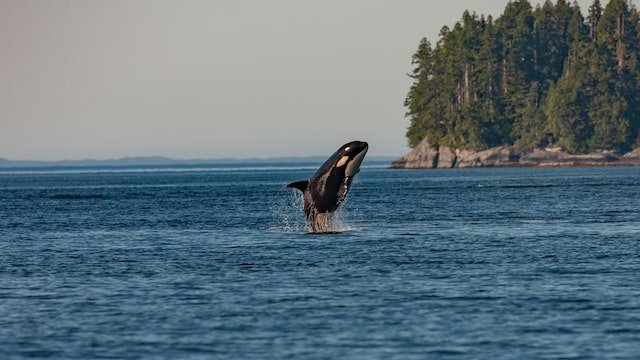
Killer Whales, one of the ocean’s less-than-pleasant inhabitants, are the next fastest animal on this list. Despite their common name, Killer Whales, also known as Orcas, are members of the dolphin family. They are, in fact, the world’s largest dolphin species. They travel and hunt in groups of 5-20 people called ‘pods.’ Killer whales have hydrodynamic bodies that allow them to reach top speeds of 55 kilometers per hour, which helps them as predators.
7. Barracuda
Swimming speed: 58 km/h (36 mph)
Inhabited region: Temperate and tropical oceans
INTERESTING FACT: VERY SHINY SCALES MAKE THEM EASILY DISTINGUISHED
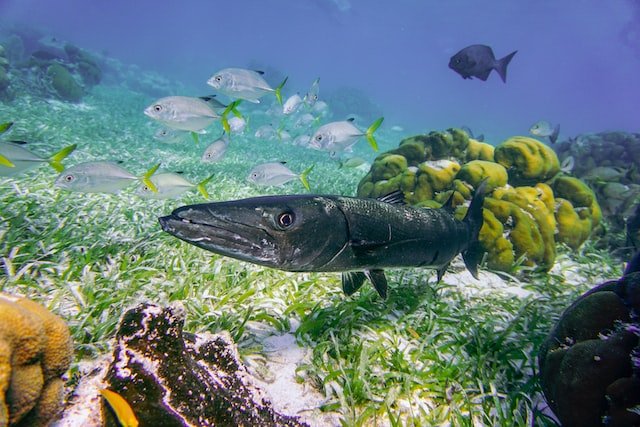
Barracudas can swim at 58 kph thanks to their long and thin bodies, which are designed for fast movement through the water. Predators have a difficult time catching them due to their speed and size, which can reach up to 5 feet. This missile-like fish is also distinguished by its gleaming silver scales. Barracudas are predators with keen vision and precise hunting abilities.
6. Atlantic Bluefin Tuna
Swimming speed: 60 km/h to 70 km/h
Inhabited region: western and eastern Atlantic Ocean, Mediterranean Sea
INTERESTING FACT: IS AN ENDANGERED SPECIES ON THE MARGIN OF EXTINCTION
Bluefin Tunas are considered heavy (450 kg), but they are also one of the fastest fish in the ocean. This massive fish can swim at speeds of 69 kph and dive to depths of 1600 ft. Bluefin Tunas are on the verge of extinction because they are one of the most commonly caught tuna species in commercial fishing. They can be found primarily in the North Atlantic Ocean. Because international regulators have refused to impose fishing restrictions to protect this fish, it is up to consumers and the general public to raise awareness and prevent its population decline.
5. Bonefish
Swimming speed: 62 km/h (/38.5 mph)
Inhabited region: Tropical and temperate regions of the Indo-Pacific Ocean
INTERESTING FACT: THEY BELONG TO THE TUNA FAMILY
The Bonito fish, also known as the Sardini Tribe, is the next Olympic swimmer of the seas. They are related to tuna, mackerel, and kingfish. Despite their unassuming appearance, these medium-sized predatory fish can swim at a speed of 62 km per hour. That’s faster than a typical shark!
4. Blue Shark
Swimming speed: 69 km/h (43 mph)
Inhabited region: Throughout the world’s oceans
INTERESTING FACT: BLUE SHARKS AREN’T THE MOST AGGRESSIVE SHARKS, BUT ACCORDING TO SHARK ATTACK STATISTICS, THEY’RE STILL FAIRLY WELL-RATED.
These lurkers prefer deep, cold waters where they can swim at speeds of up to 43 miles per hour. Considering that these predators can grow up to 20 feet in length, their speed takes on a whole new dimension!
A close-up of a blue shark swimming toward the camera in shallow water.
Blue sharks have been spotted in many seas, including the Mediterranean, and can be found throughout the world’s oceans. They rarely stop by the Baltic and Red Seas, as well as the Gulf of Mexico.
Blue sharks are rarely on the bucket lists of anglers. This is due to the fact that they live in very deep waters, making it difficult to reach them. In exchange, these trips are usually not worthwhile.
3. Wahoo
Swimming speed: 77km/h (48 mph)
Inhabited region: Tropical and sub-tropical waters around the world
INTERESTING FACT: GETTING A WAHOO TO BITE IS THE EASY PART OF TRYING TO CATCH ONE.
Wahoos have razor-sharp teeth, a massive beak-like jaw, and speed that only a few fish can match! Even though they put up a good fight, anglers rarely target Wahoo on their own. More often than not, they become hooked while pursuing other species. That doesn’t mean that anglers aren’t happy to see Wahoo on the other end of their line, earning them the moniker “favorite bycatch” in big game fishing.
A Wahoo swimming with its head above the surface of the water
Their average height is 40-65 inches and their weight is 15-35 pounds. They can be found all over the world in tropical and warm temperate waters, including the Atlantic, Indian, and Pacific Oceans, the Gulf of Mexico, the Caribbean Sea, and the Mediterranean Sea.
2. Black Marlin
Swimming speed: 105 km/h to 129 km/h
Inhabited region: Australian coast and tropical Indo-Pacific
INTERESTING FACT: MARLIN ARE CLOSELY RELATED TO THE SWORDFISH
While sailfish is the fastest fish in the sea, only marlin are likely to be able to keep up with them. Although they are both members of the Istiophoridae family, marlins can be distinguished by their two distinct colors in one body (dark above and silver below) and their long, thin snouts. These fish can be found in the Indian Ocean, Atlantic, and Pacific oceans’ tropical waters. Marlins come in a variety of colors and sizes, including the Black Marlin and the Atlantic Blue Marlin. Marlins are known to swim at 105 kph, making them nearly impossible to catch.
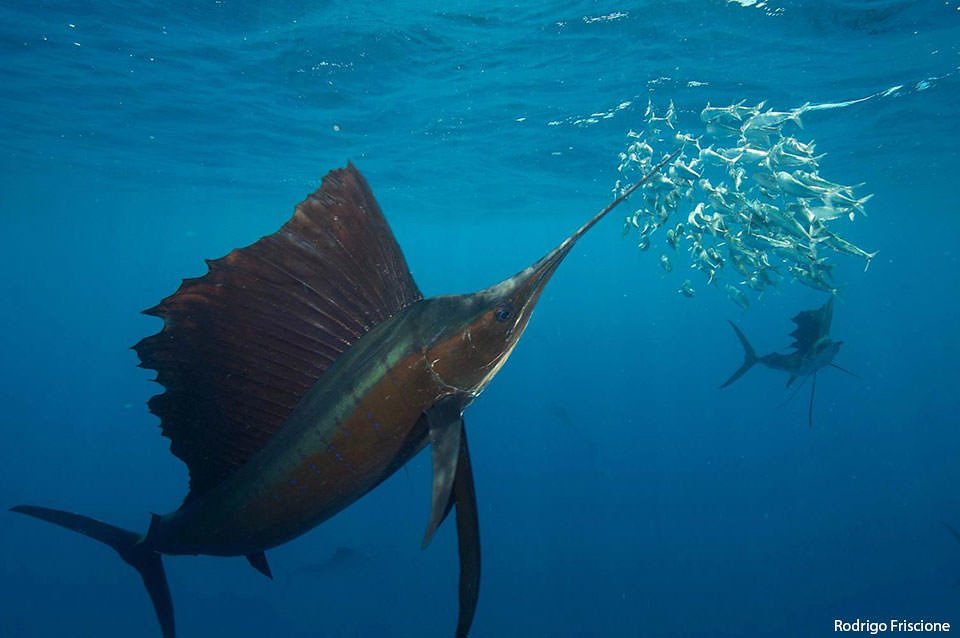
1. Sailfish
Swimming speed: 110 km/h
Inhabited region: Indian and Pacific Oceans
INTERESTING FACT: HAS A LARGE SAIL-LIKE DORSAL FIN
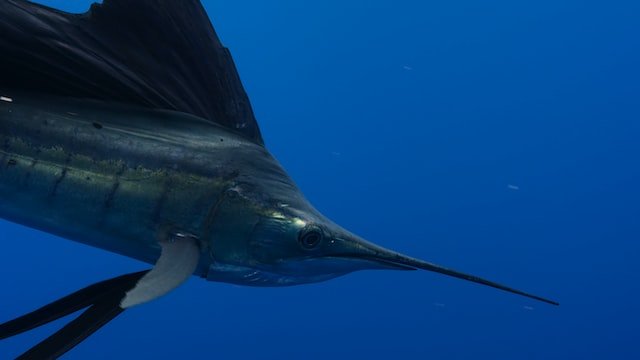
Sailfish is the fastest fish in the sea, with a top speed of 110 kph. They get their name from their massive dorsal fin, which resembles a sail. This fin aids them in moving through the water. Scientists estimate that these fish can leap out of the water at 68 miles per hour, which is faster than a cheetah! Sailfish are tenacious fighters who will fight tooth and nail if hooked. They can also grow to be 10 feet long. They can be found in warm temperatures in the Atlantic and Indo-Pacific oceans.
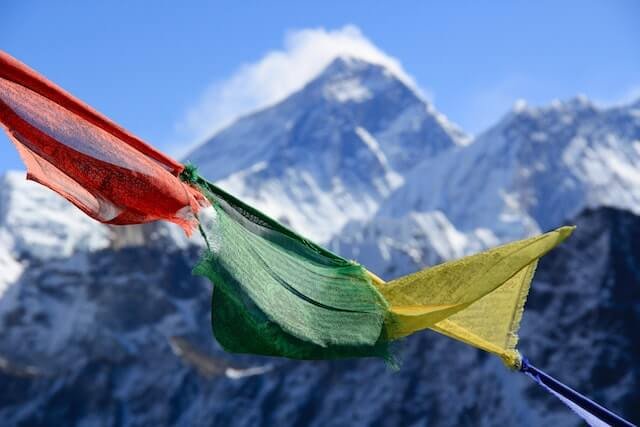
Everest is located on the border between Nepal and Tibet, China, also known as the “Roof of the World.” It is known as the world’s highest mountain.
Mount Everest is one of the world’s deadliest mountains due to its harsh cold and low-oxygen environment.
1. Everest has been on the planet for more than 60 million years
When India’s continental plate collided with Asia, the mountain was formed. India’s plate pushed beneath Asia, raising a massive mass of land upwards and forming the world’s highest mountain range, the spectacular Himalayas.
2. Mount Everest is also called Chomolungma or Sagarmatha
Mount Everest is the highest mountain in the Himalayas, located on the border of Nepal and Tibet (China). Mount Everest was named Qomolangma or Chomolungma in Tibetan, which means “mother of the earth.”
In Nepalese, it was known as Sagarmatha, which means “God of the Sky.” It was named after George Everest, a director of the British Surveyor General of India who was in charge of surveying the Himalayas in the nineteenth century.
3. Mount Everest grows about 4 millimeters per year
The Himalayas are formed by the uplift of the Eurasian Plate caused by the sliding of the Indian Plate beneath it. Everest grows at a rate of 4 mm (0.2″) per year, or approximately 40 centimeters (16 inches) per century.
4. Mount Everest is NOT the tallest mountain on the Planet Earth
Hawaii’s Mauna Kea, which stands at 10,200 meters (33,500 ft), holds this title. The majority of Mauna Kea, however, is below sea level. Mount Everest is the world’s highest peak above sea level.
5. Mount Everest was climbed for the first time in 1953.
Sir Edmund Hillary of New Zealand and Tenzing Norgay of Nepal made the first ascent of Mount Everest on May 29, 1953.
6. Sherpas are the only people who can ascend Mount Everest without using oxygen.
The Sherpa people have settled on both sides of the Himalayas. Because the Sherpa people live in mountainous areas with thin air, they have inherited a unique physical trait: increased hemoglobin production.
This inherent factor allows them to function well in the low-oxygen environment of the Himalayas.
Sherpas have evolved into the best Mount Everest guides. They not only guide the climbers, but many Sherpas assist with carrying supplies for the climbers, as well as some rescue items, camping equipment, and so on.
Their packs can weigh up to five times as much as those of ordinary climbers! For an expedition, a Sherpa guide can earn up to $5,000 USD.
7. Everest takes approximately 39-40 days to climb
This does not include the time spent trekking to Everest Base Camp, which can take anywhere from 10 to 14 days. The reason it takes so long to summit Everest is so that the body can adjust to the extreme altitude – on the summit, there is only a third of the amount of oxygen available compared to at sea level. Climbers typically use bottled oxygen to help them cope with the effects of high altitude.
8. On Mount Everest, approximately 300 people have died
Everest is the seventh deadliest mountain in the world, with a cumulative death rate of about 2% [2018]. On Mount Everest, dead bodies are common.
When people die while climbing Everest, their bodies are left on the mountain and serve as landmarks for other climbers, as carrying/dragging the dead bodies down is a difficult task due to the physical effort required in the low-oxygen environment.
9. On Mount Everest, tons of human feces have frozen
Campaigners for a cleaner environment Everest estimates that approximately 8,000kg of human feces is left on the mountain each year (at an average of 800 climbers per year, that’s 10 kg per climber), and this is becoming a serious environmental and health problem.
In the permanently frozen higher altitudes, feces does not decompose. Climbers must now carry their feces off the mountain.
Above the lowest base camp, there is no designated toilet area on Mount Everest. Climbers, if they can, pee and poop in their tents… Because of the frozen ground, digging latrines is impractical, and the risk of exposure/frostbite makes excreting in a shelter preferable.
Some climbers bring waste bags and pee bottles to their camps, while others wear diapers.
10. Helicopters cannot reach the summit of Mount Everest
A helicopter can generally reach altitudes of 5,000 meters. The low density of the air at higher elevations, such as Everest’s summit, means that the propellers can no longer achieve lift. Air evacuation is not an option for those on Everest.
High-performance helicopters can reach Everest’s lowest base camps (altitude 5,200 m in China; 5,300 m in Nepal), but this is the most expensive way to get to or from an EBC.
Tenzing-Hillary Airport in Lukla, Nepal is approximately 60 kilometers (40 miles) from Everest. Although Shigatse in Tibet has a civilian airport, most visitors to Everest fly into the much larger Lhasa Gonggar Airport.
11. The movie “Everest” was partially shot on Mount Everest
The film “Everest” is based on the true story of the 1996 mountain disaster. Parts of the action were shot on Everest, in a location in Nepal with an elevation of 4,750 meters, not far from its EBC. The majority of the other scenes were shot in studios.