• WORLD
    • AFRICA
    • ASIA
    • EUROPE
    • NORTH AMERICA
    • SOUTH AMERICA
    • OCEANIA
  • NATURE
    • Animals
    • Water
    • Earth
  • HISTORY
  • CULTURE
    • MUSIC
  • PEOPLE
    • Politics
    • LIFESTYLE
      • Leisure
    • BUSINESS
  • SPORTS
Listing The BEST
keep your memories alive
Home – Archives for 2025 – Archives for February
Monthly Archives

February 2025

HistoricalHISTORYInteresting FACTSLISTPEOPLE

Richest People In History – Top 10

by ListingTheBest February 28, 2025
written by ListingTheBest

Wealth has played a crucial role in shaping history, with certain individuals amassing fortunes so vast that they continue to be discussed centuries later. Here are ten of the wealthiest individuals in history, adjusted for inflation and historical economic impact.

TOP 10 Richest People In History:


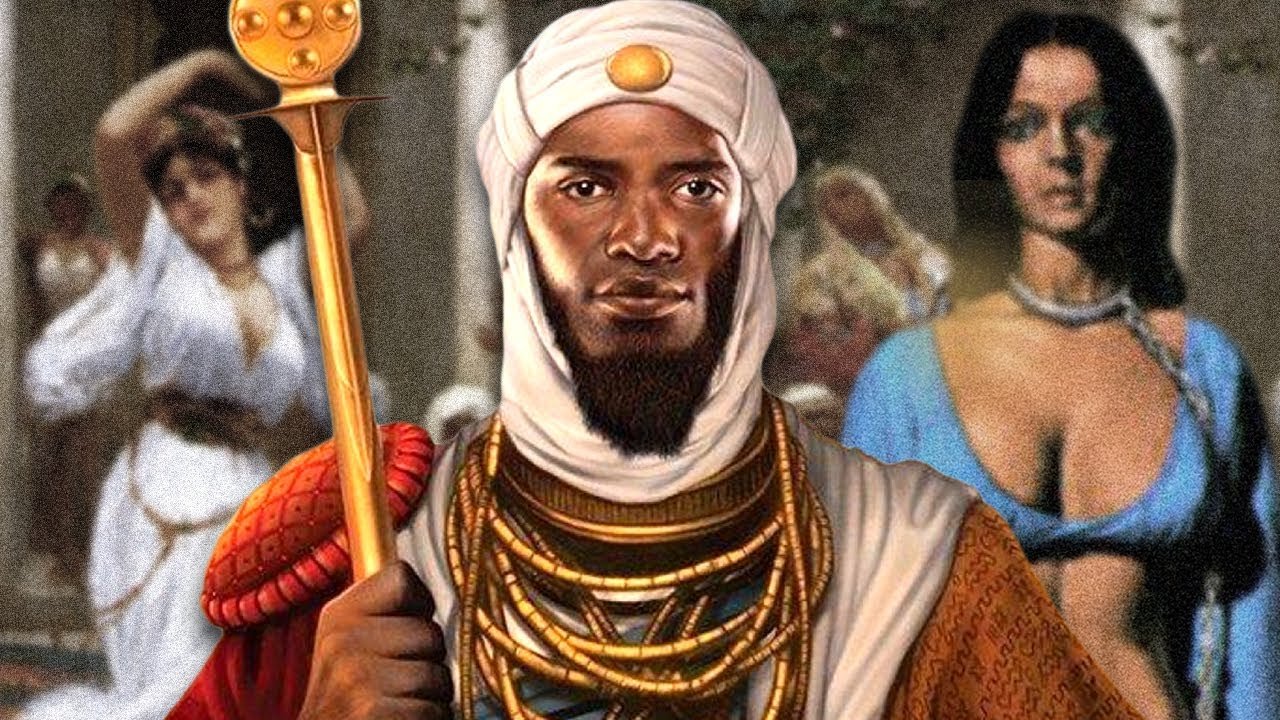
1. Mansa Musa (1280–1337) – Estimated Wealth: $400 Billion+

Richest People In History – Top 10 - Listing The BEST

The ruler of the Mali Empire, Mansa Musa is often considered the richest person in history. His empire controlled vast gold reserves, and his legendary pilgrimage to Mecca in 1324 caused inflation in regions he passed through due to his lavish spending.

2. John D. Rockefeller (1839–1937) – Estimated Wealth: $340 Billion

Richest People In History – Top 10 - Listing The BEST

Founder of Standard Oil, Rockefeller built an oil monopoly that dominated global markets. His fortune was so vast that it accounted for over 1.5% of the U.S. economy at its peak.

3. Andrew Carnegie (1835–1919) – Estimated Wealth: $310 Billion

Richest People In History – Top 10 - Listing The BEST

A steel magnate, Carnegie built the largest steel empire in the U.S. before selling it to J.P. Morgan, forming U.S. Steel. He later became a major philanthropist, donating much of his wealth.

4. Catherine the Great (1729–1796) – Estimated Wealth: $1.5 Trillion (Relative to GDP)

Richest People In History – Top 10 - Listing The BEST

The Empress of Russia expanded her empire significantly and controlled immense state wealth, overseeing economic and cultural growth that cemented her power.

5. Joseph Stalin (1878–1953) – Estimated Wealth: Control Over Soviet Economy ($7.5 Trillion GDP)
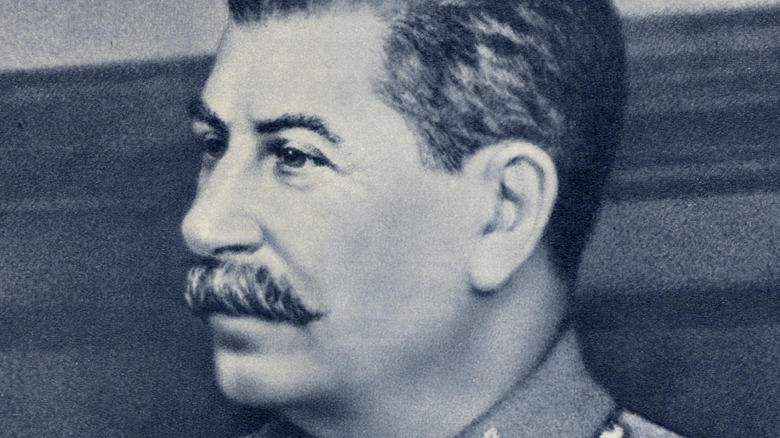
Richest People In History – Top 10 - Listing The BEST

As the leader of the Soviet Union, Stalin technically controlled one of the world’s largest economies. While his personal wealth was indistinct, his control over vast resources makes him one of the most powerful figures in economic history.

6. Akbar the Great (1542–1605) – Estimated Wealth: One-Quarter of the World’s GDP
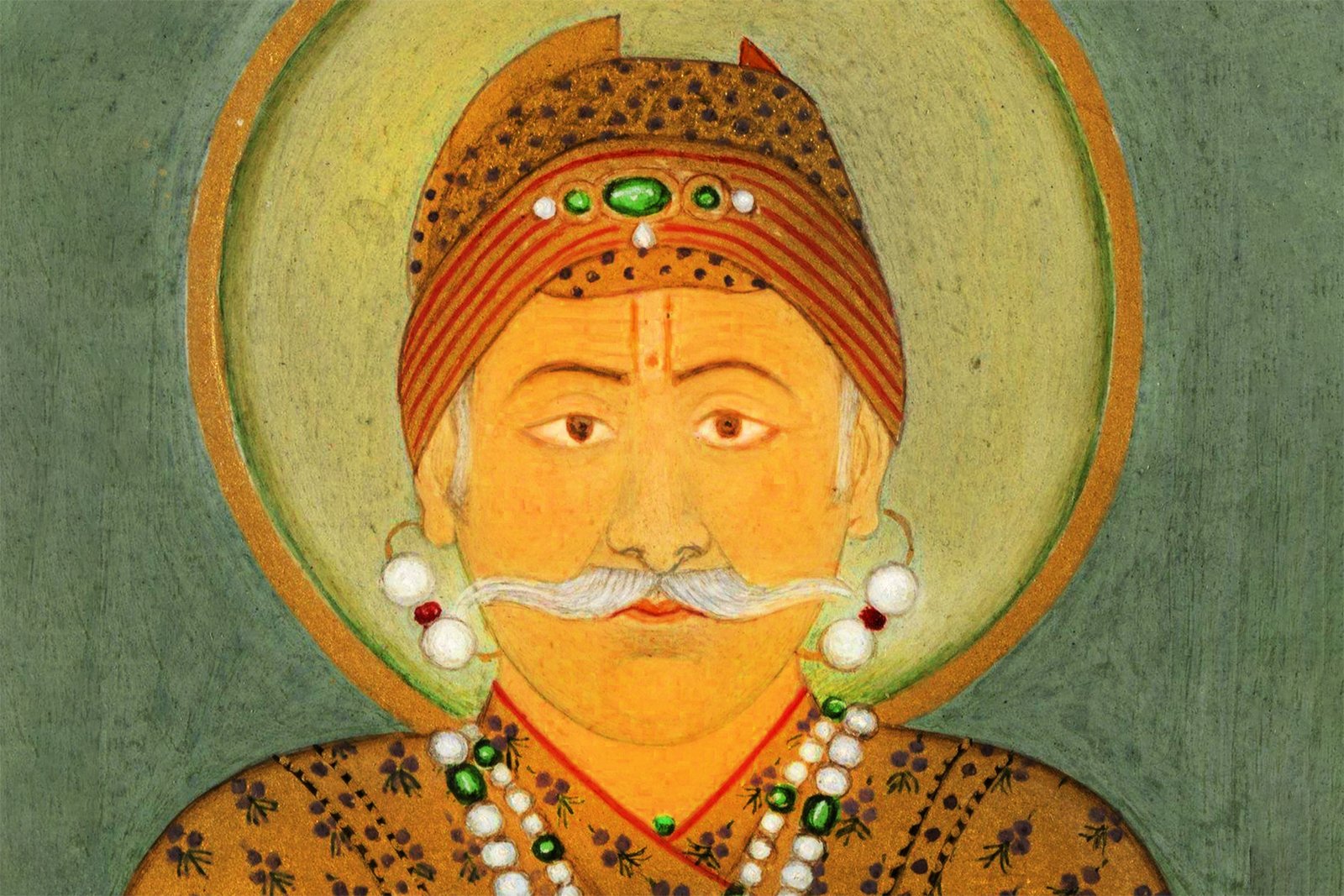
Richest People In History – Top 10 - Listing The BEST

The Mughal Emperor presided over one of the wealthiest empires in history, with its economy accounting for a significant portion of global GDP at the time.

7. Augustus Caesar (63 BCE–14 CE) – Estimated Wealth: One-Third of the Roman Empire’s GDP
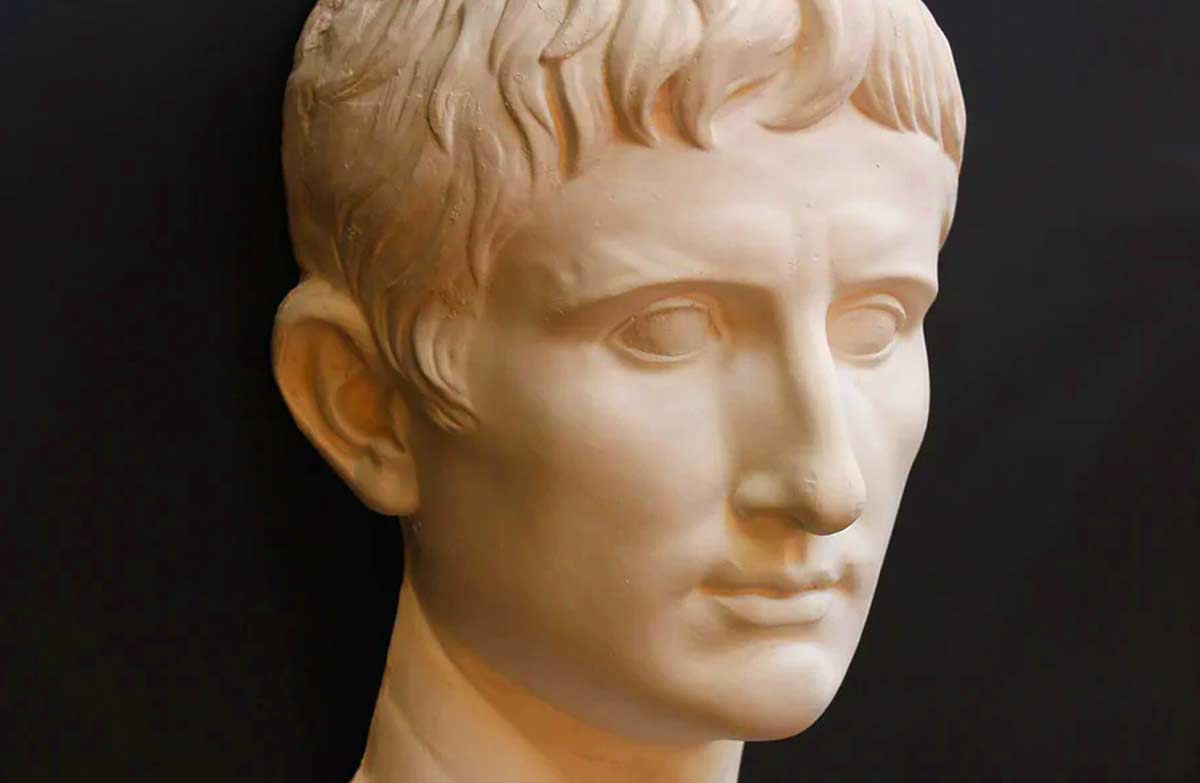
Richest People In History – Top 10 - Listing The BEST

As the first Roman Emperor, Augustus controlled an empire responsible for 25–30% of the world’s GDP, making his effective wealth immense.

8. William the Conqueror (1028–1087) – Estimated Wealth: Equivalent to Hundreds of Billions
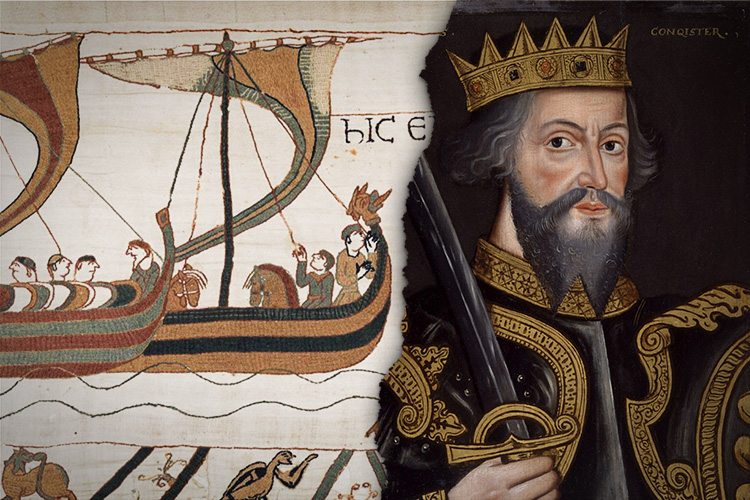
Richest People In History – Top 10 - Listing The BEST

After the Norman conquest of England, William seized massive landholdings, effectively owning all of England and redistributing wealth among his followers.

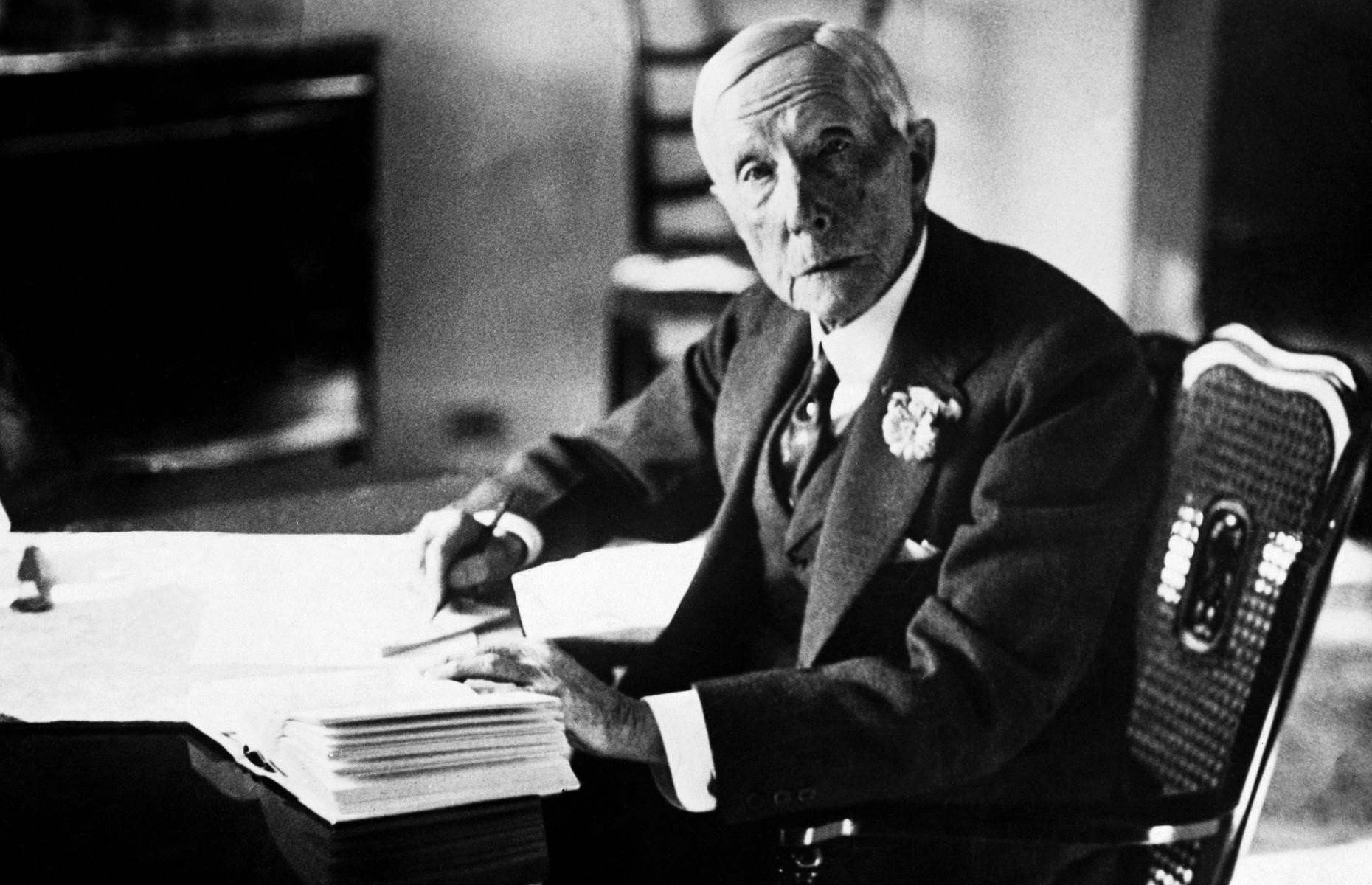
9. Jakob Fugger (1459–1525) – Estimated Wealth: Over $400 Billion (Adjusted for Inflation)
Richest People In History – Top 10 - Listing The BEST

A German merchant and banker, Fugger built one of the largest banking empires in Europe, financing emperors and controlling key trade routes.

10. Henry Ford (1863–1947) – Estimated Wealth: $200 Billion

Richest People In History – Top 10 - Listing The BEST

Founder of the Ford Motor Company, Ford revolutionized manufacturing with the assembly line, making automobiles widely accessible and generating vast wealth in the process.

Conclusion

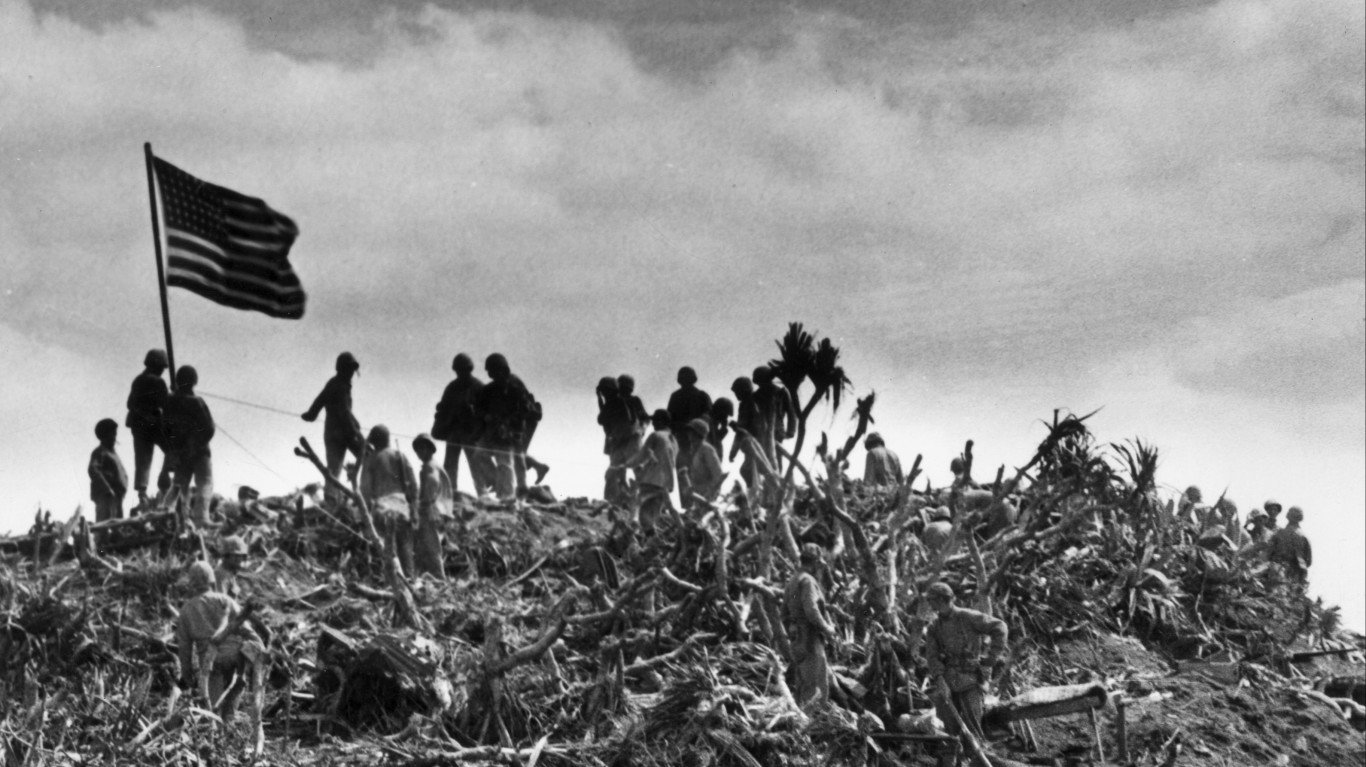
The wealth of these historical figures is staggering, with their fortunes shaping economies, industries, and nations. Their influence, whether through business, empire-building, or control of entire economies, remains a testament to the power of wealth throughout history.
February 28, 2025 0 comments
0 FacebookTwitterPinterestEmail
HISTORYLIST

Most Destructive Battles In History – Top 10

by ListingTheBest February 28, 2025
written by ListingTheBest
Throughout history, warfare has shaped civilizations, redrawn borders, and caused immense human suffering. Some battles stand out not only for their strategic significance but also for the sheer scale of destruction and loss of life.

Destructive Battles In History

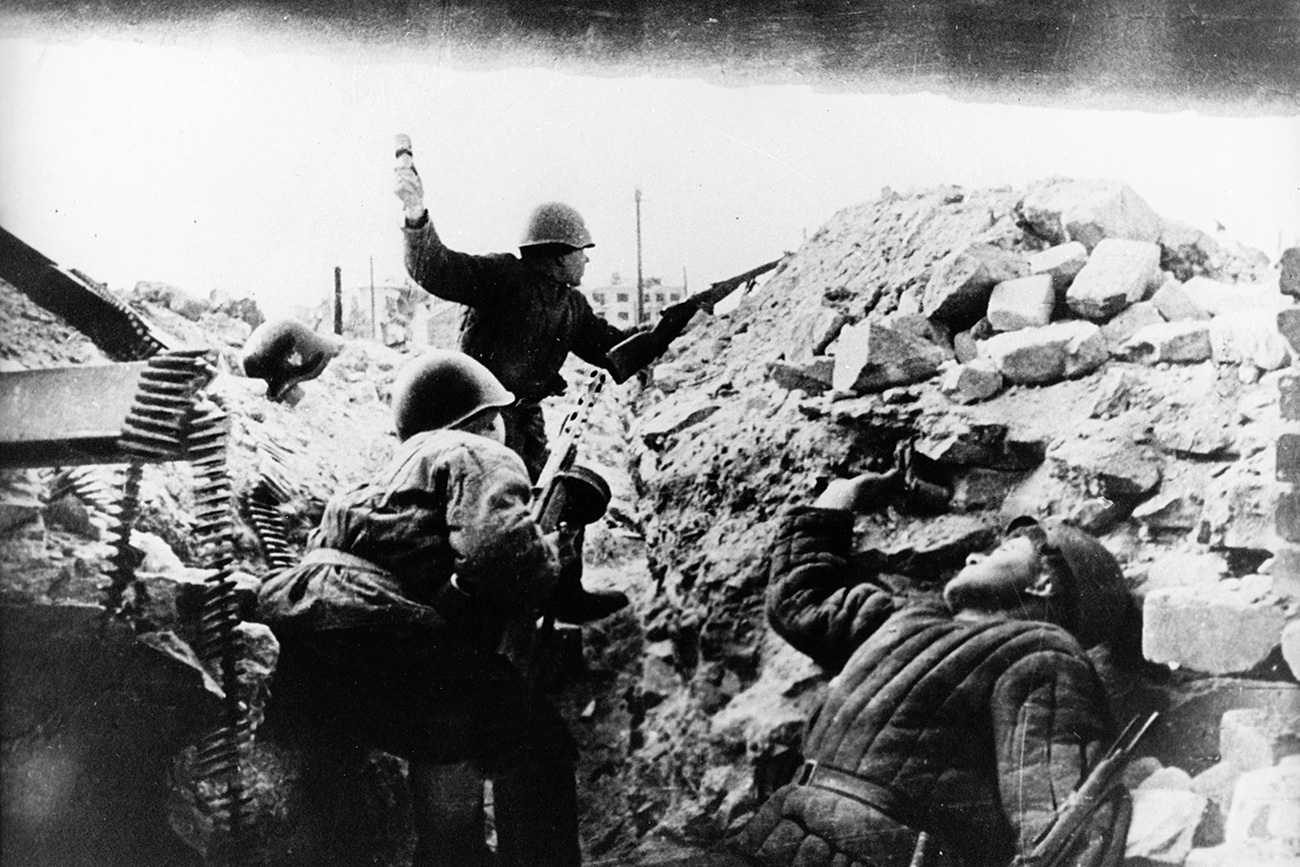
1. Battle of Stalingrad (1942–1943) – Estimated Casualties: 2 Million+

Most Destructive Battles In History – Top 10 - Listing The BEST

One of the bloodiest battles of World War II, the Battle of Stalingrad saw intense urban warfare between Nazi Germany and the Soviet Union. The prolonged fighting resulted in massive military and civilian casualties, leading to a crucial turning point in the war.

2. Battle of Verdun (1916) – Estimated Casualties: 700,000+

Most Destructive Battles In History – Top 10 - Listing The BEST

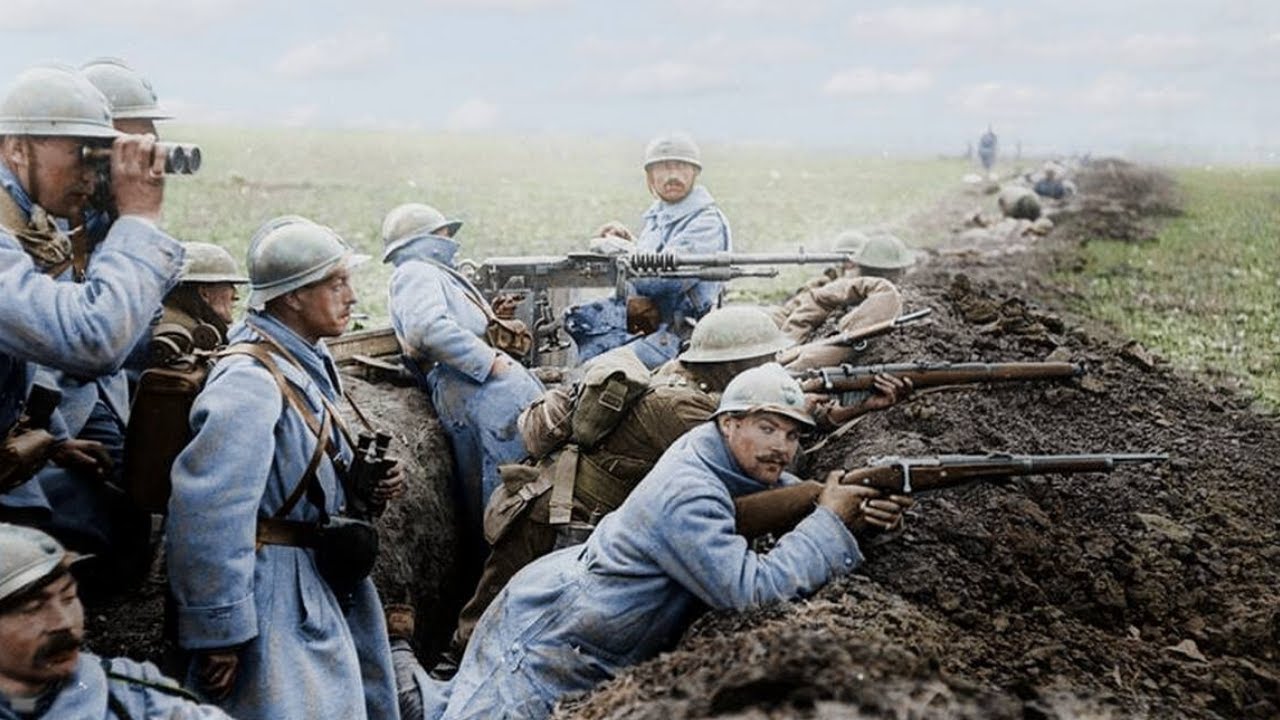
Fought between French and German forces during World War I, the Battle of Verdun was one of the longest and most grueling battles in history. The relentless artillery bombardments and trench warfare made Verdun a symbol of French resistance and suffering.
3. Battle of the Somme (1916) – Estimated Casualties: 1 Million+

Most Destructive Battles In History – Top 10 - Listing The BEST

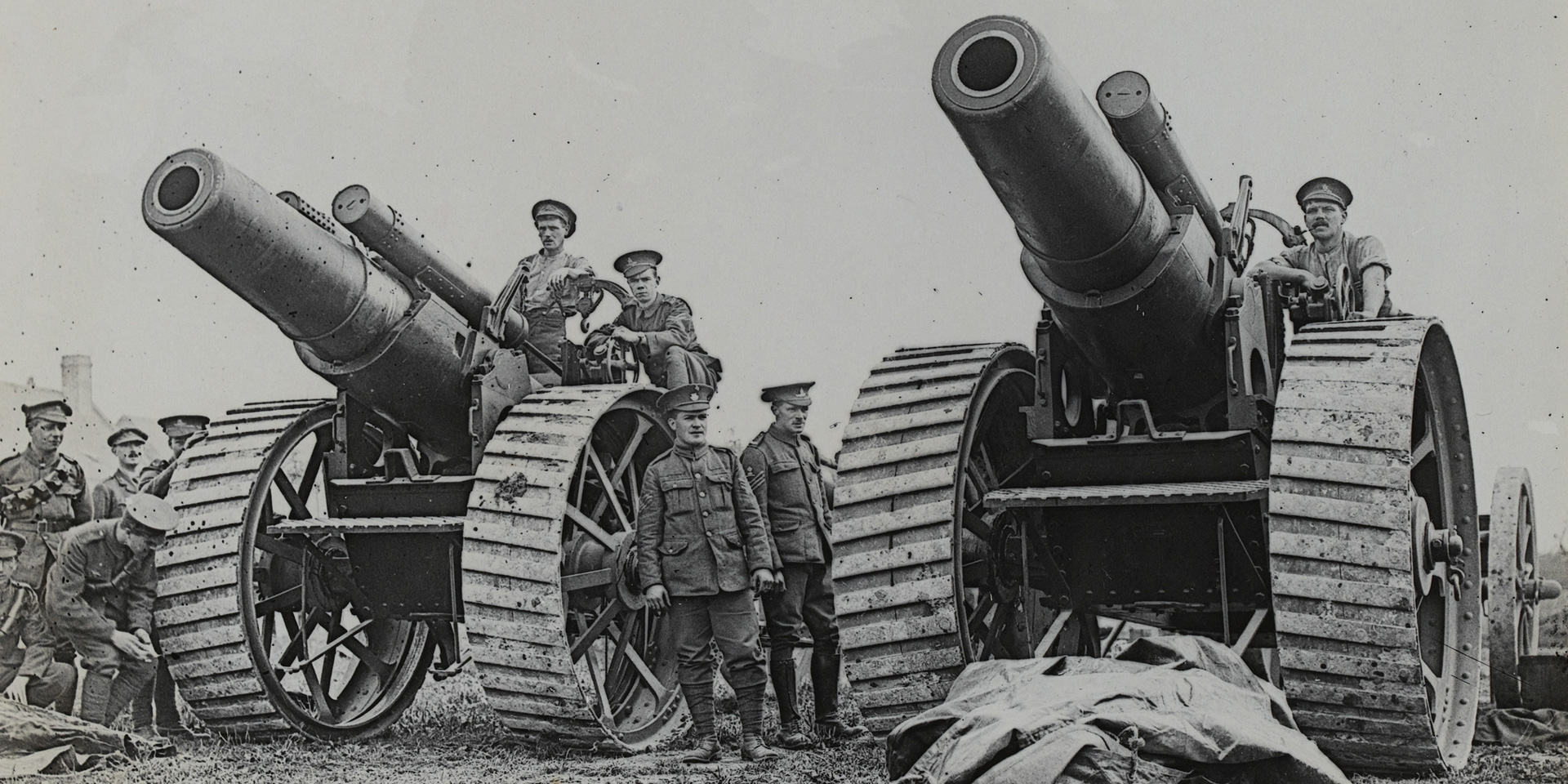
Coinciding with Verdun, the Battle of the Somme was one of the deadliest engagements of World War I. On the first day alone, the British suffered over 57,000 casualties, marking it as one of the worst days in British military history.

4. Operation Barbarossa (1941) – Estimated Casualties: 5 Million+

Most Destructive Battles In History – Top 10 - Listing The BEST

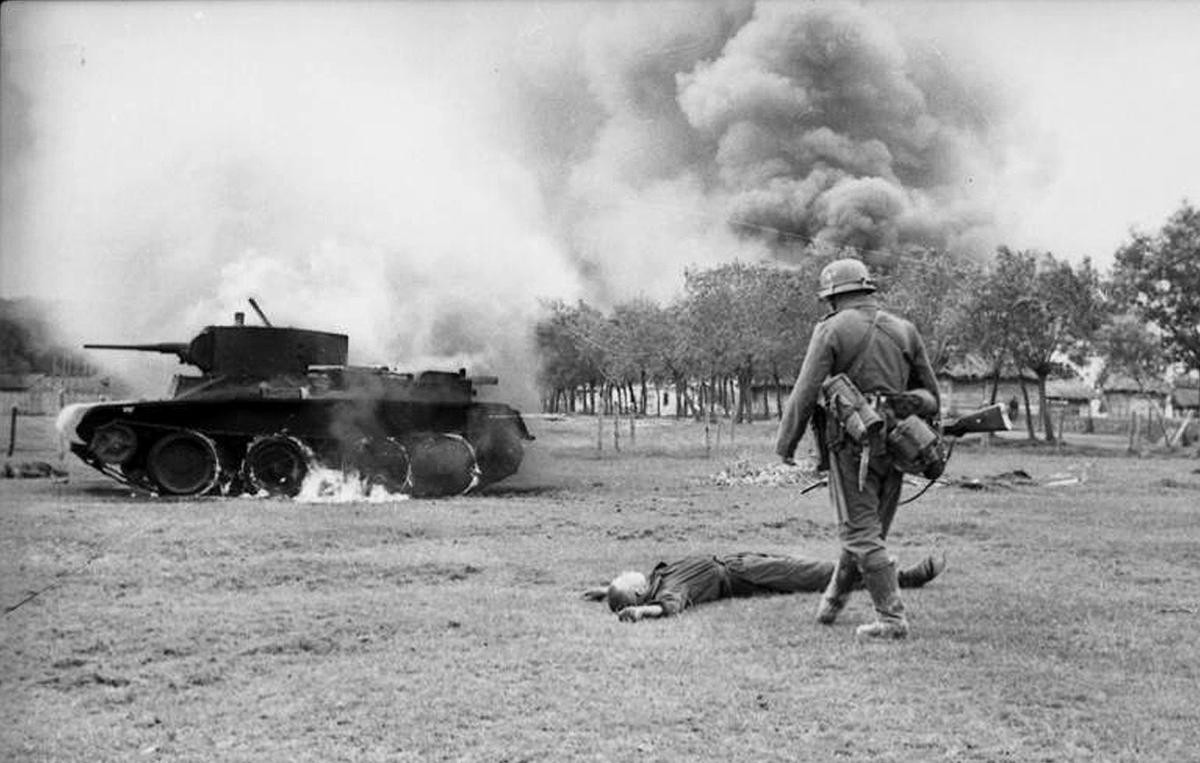
While not a single battle, Operation Barbarossa was the largest invasion in history as Nazi Germany attacked the Soviet Union. The conflict led to massive military and civilian losses, setting the stage for the eventual downfall of Nazi Germany.

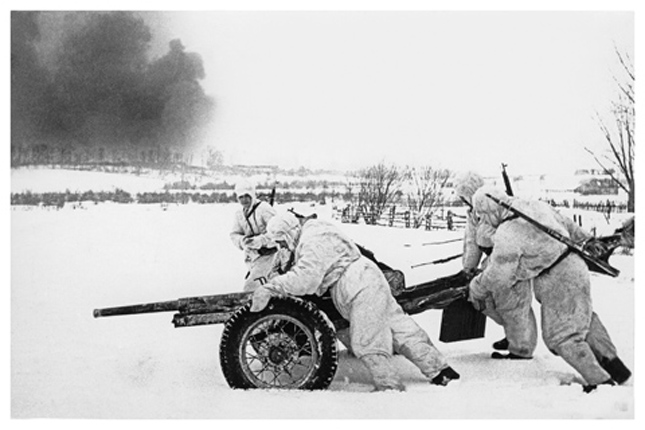
5. Battle of Moscow (1941–1942) – Estimated Casualties: 1.9 Million+

Most Destructive Battles In History – Top 10 - Listing The BEST

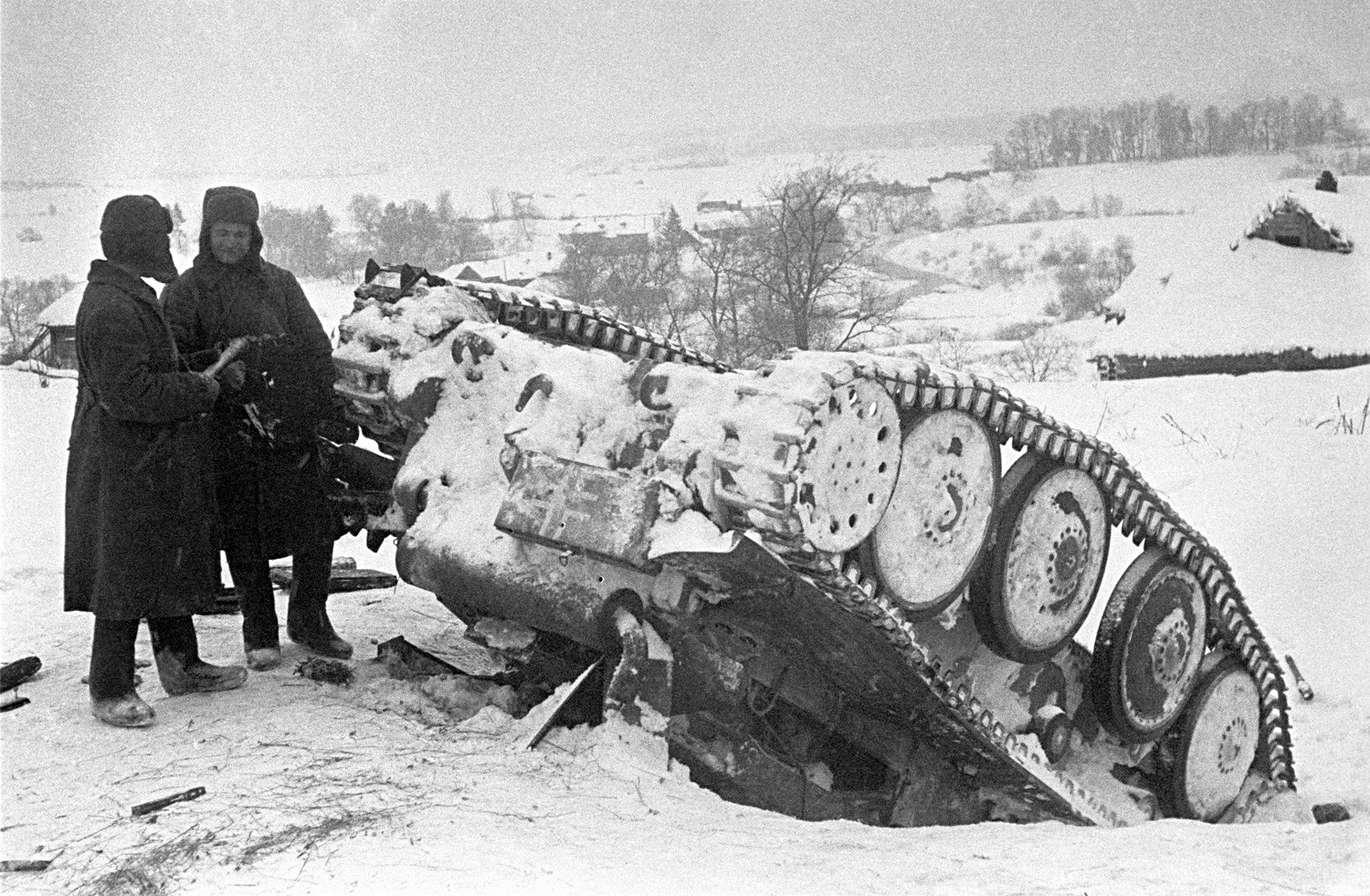
The Battle of Moscow marked the Soviet Union’s resistance against the German invasion. Harsh winter conditions and strategic counterattacks inflicted heavy losses on both sides and thwarted Hitler’s plans for a swift victory in the East.

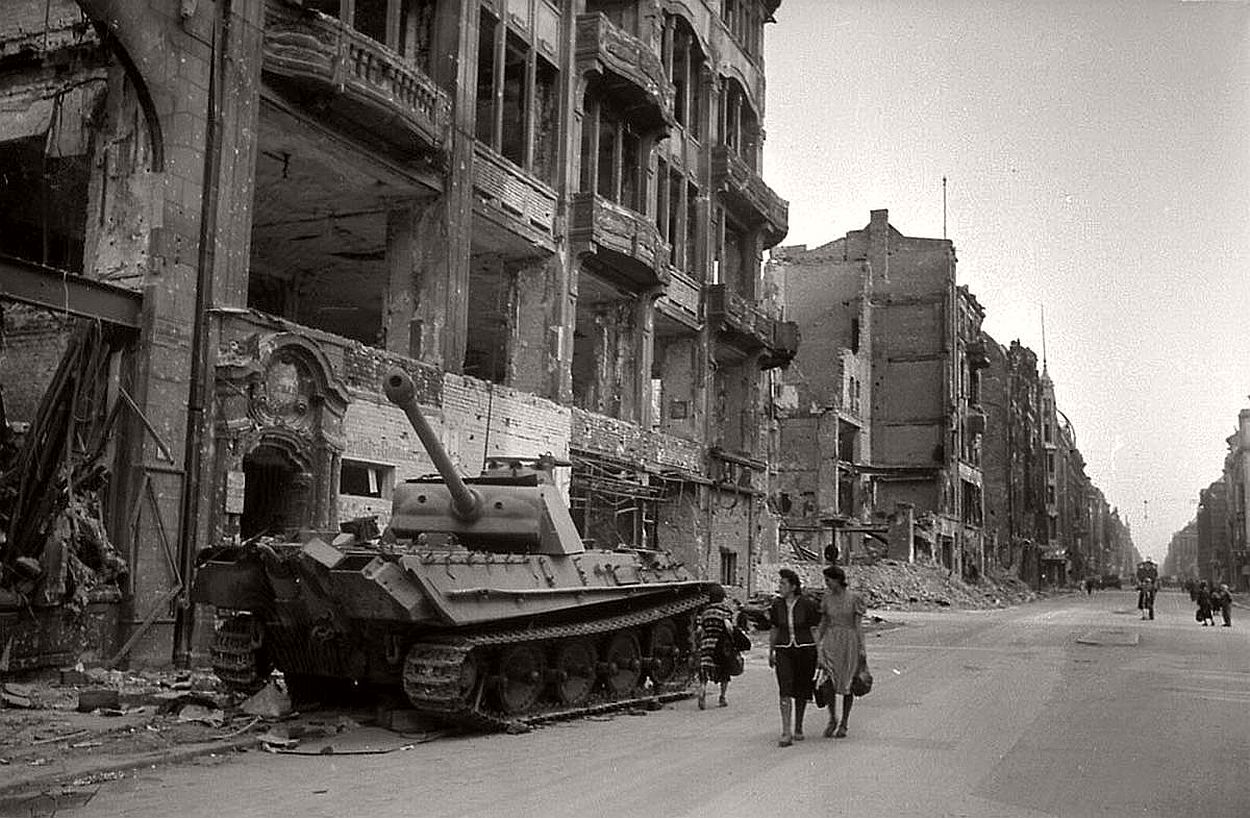
6. Battle of Berlin (1945) – Estimated Casualties: 1.2 Million+

Most Destructive Battles In History – Top 10 - Listing The BEST

The final major battle of World War II in Europe, the Battle of Berlin saw intense urban combat as Soviet forces stormed the Nazi capital. The battle ended with Hitler’s suicide and the collapse of Nazi Germany.

7. Battle of Leipzig (1813) – Estimated Casualties: 600,000+

Most Destructive Battles In History – Top 10 - Listing The BEST

Also known as the Battle of Nations, this Napoleonic War battle was the largest in Europe before World War I. A coalition of Russian, Prussian, Austrian, and Swedish forces decisively defeated Napoleon’s army, leading to his downfall.

8. Battle of Okinawa (1945) – Estimated Casualties: 200,000+

Most Destructive Battles In History – Top 10 - Listing The BEST

The Battle of Okinawa was one of the bloodiest battles of the Pacific War during World War II. The heavy resistance from Japanese forces and the high civilian death toll underscored the immense cost of the war in the Pacific.

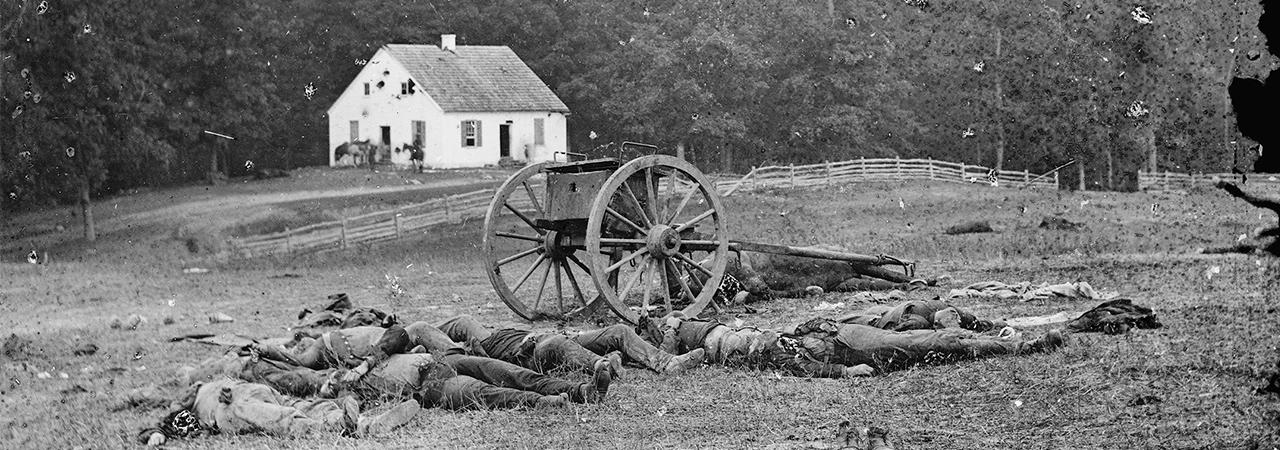
9. Battle of Antietam (1862) – Estimated Casualties: 23,000+

Most Destructive Battles In History – Top 10 - Listing The BEST

The Battle of Antietam was the bloodiest single-day battle in American history during the U.S. Civil War. Though it ended in a tactical stalemate, it provided President Abraham Lincoln with the opportunity to issue the Emancipation Proclamation.

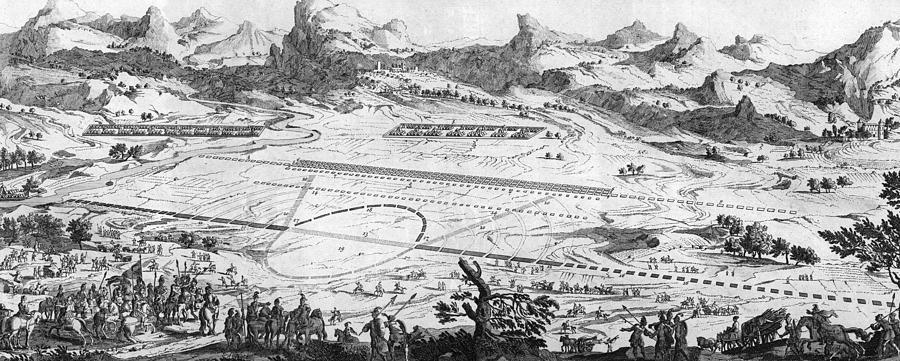
10. Battle of Cannae (216 BCE) – Estimated Casualties: 70,000+

Most Destructive Battles In History – Top 10 - Listing The BEST

A defining battle of the Second Punic War, the Battle of Cannae saw Hannibal’s Carthaginian forces encircle and annihilate a much larger Roman army. The defeat remains one of the most significant military disasters in Roman history.

Conclusion

These battles illustrate the devastating impact of warfare on human history. While some were turning points in major conflicts, others exemplified the sheer brutality and strategic complexity of war. Learning from history’s most destructive battles helps us understand the cost of war and the importance of striving for peace.

February 28, 2025 0 comments
0 FacebookTwitterPinterestEmail
HISTORYInteresting FACTSNATURE

Deadliest Natural Disasters In History – Top 10

by ListingTheBest February 28, 2025
written by ListingTheBest

Throughout history, natural disasters have claimed millions of lives, reshaping civilizations and altering the course of human events. The sheer force of nature—whether through earthquakes, floods, cyclones, or famines—has often left devastation in its wake. 

1. 1931 China Floods – Estimated Death Toll: 1-4 Million

Deadliest Natural Disasters In History – Top 10 - Listing The BEST

Considered the deadliest natural disaster ever recorded, the 1931 China floods devastated large parts of China, particularly the Yangtze and Huai River basins. Extreme rainfall and poor infrastructure contributed to massive flooding, causing widespread starvation, disease outbreaks, and destruction.

2. 1887 Yellow River Flood – Estimated Death Toll: 900,000–2 Million

Deadliest Natural Disasters In History – Top 10 - Listing The BEST

One of China’s most catastrophic floods, the 1887 Yellow River flood, resulted from the river breaching its dikes, submerging thousands of villages and farmlands. The subsequent famine and disease added to the already staggering death toll.

3. 1556 Shaanxi Earthquake, China – Estimated Death Toll: 830,000

Deadliest Natural Disasters In History – Top 10 - Listing The BEST

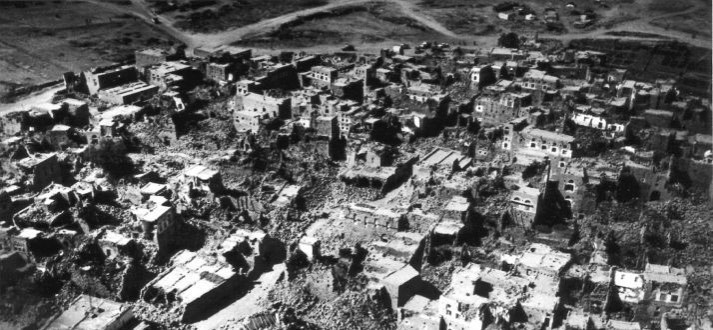
Regarded as the deadliest earthquake in recorded history, the 1556 Shaanxi earthquake struck China with an estimated magnitude of 8.0. The devastation was immense, with entire villages collapsing and many people perishing due to landslides and cave dwellings caving in.

4. 1970 Bhola Cyclone, Bangladesh – Estimated Death Toll: 500,000

Deadliest Natural Disasters In History – Top 10 - Listing The BEST

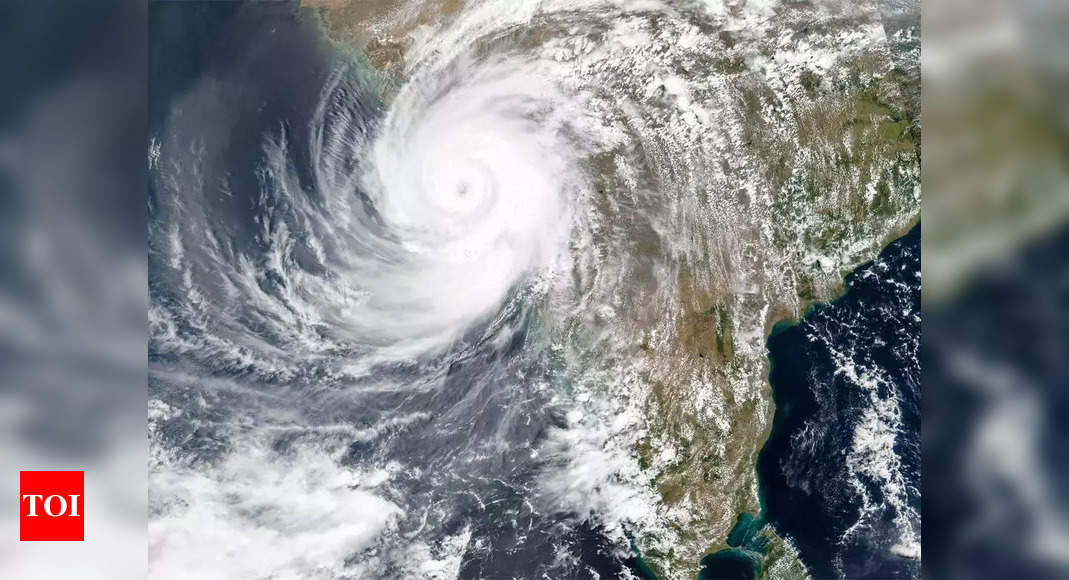
The Bhola cyclone of 1970 was the deadliest tropical cyclone in history, hitting what is now Bangladesh. Storm surges as high as 10 meters (33 feet) inundated coastal villages, drowning hundreds of thousands of people and leading to a humanitarian crisis.

5. 1839 Coringa Cyclone, India – Estimated Death Toll: 300,000

Deadliest Natural Disasters In History – Top 10 - Listing The BEST

Striking the coastal town of Coringa in India, the 1839 cyclone generated a storm surge that obliterated the port and nearby settlements. Almost all of Coringa’s residents perished, and the once-thriving port city never fully recovered.

6. 2004 Indian Ocean Tsunami – Estimated Death Toll: 230,000–280,000

Deadliest Natural Disasters In History – Top 10 - Listing The BEST

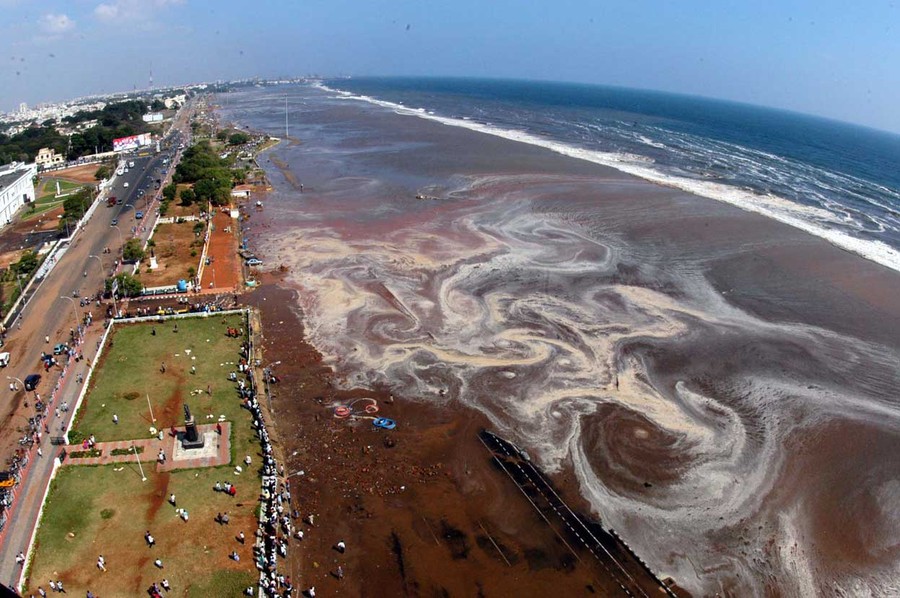
Triggered by a massive undersea earthquake of magnitude 9.1-9.3 off the coast of Sumatra, the 2004 Indian Ocean tsunami sent colossal waves across multiple countries, including Indonesia, Sri Lanka, India, and Thailand. The event left entire coastal communities destroyed.

7. 526 Antioch Earthquake, Byzantine Empire – Estimated Death Toll: 250,000–300,000

The 526 Antioch earthquake, one of the deadliest seismic events in history, devastated the city of Antioch (in modern-day Turkey). Fires following the earthquake exacerbated the destruction, contributing to an enormous loss of life.

8. 1976 Tangshan Earthquake, China – Estimated Death Toll: 242,000

Striking the industrial city of Tangshan in China, the 1976 earthquake measured 7.5 in magnitude and caused near-total destruction. Many perished in the initial quake, while aftershocks and poor response efforts contributed to further casualties.

9. 1920 Haiyuan Earthquake, China – Estimated Death Toll: 200,000–273,000

The Haiyuan earthquake in China, with a magnitude of 8.5, triggered massive landslides, destroying entire villages. The harsh winter that followed compounded the devastation, making relief efforts extremely difficult.

10. 2010 Haiti Earthquake – Estimated Death Toll: 160,000–230,000

One of the deadliest disasters of the 21st century, the Haiti earthquake (magnitude 7.0) leveled much of Port-au-Prince, the capital city. The destruction of infrastructure, including hospitals and government buildings, led to prolonged suffering for the survivors.

Conclusion

These catastrophic events serve as reminders of nature’s immense power. While advancements in disaster preparedness and technology have improved response and resilience, history has shown that large-scale natural disasters can still cause unimaginable devastation. Understanding these past tragedies is crucial for developing better strategies to mitigate the impact of future disasters.

February 28, 2025 0 comments
0 FacebookTwitterPinterestEmail
HISTORY

Greatest Inventions That Changed History – Top 10

by ListingTheBest February 26, 2025
written by ListingTheBest

Greatest Inventions That Changed History

Innovation has been the driving force behind human progress, shaping the world as we know it. From ancient tools to modern technology, certain inventions have revolutionized civilization and transformed everyday life. Here are ten of the greatest inventions that changed history.


1. The Wheel

📅 Invented: Around 3500 BCE
📍 First Used By: Mesopotamians

The wheel is arguably the most important invention in human history. Initially used for pottery, it was later adapted for transportation and machinery, enabling the development of carts, chariots, and modern vehicles. Without the wheel, trade, travel, and engineering would be vastly different today.


2. The Printing Press

📅 Invented: 1440
📍 Inventor: Johannes Gutenberg (Germany)

Gutenberg’s printing press revolutionized the spread of knowledge, making books and literacy accessible to the masses. It fueled the Renaissance, the Reformation, and the Scientific Revolution by allowing ideas to circulate faster and more widely than ever before.


3. Electricity

📅 Discovered: Late 18th century (developed into practical use in the 19th century)
📍 Key Figures: Benjamin Franklin, Michael Faraday, Thomas Edison, Nikola Tesla

Electricity powers our modern world. From lighting homes to running industries, it has led to countless other inventions, including computers, telecommunication, and transportation. The ability to generate and distribute electricity remains one of humanity’s greatest achievements.


4. The Steam Engine

📅 Invented: Late 17th century, perfected in the 18th century
📍 Key Figures: Thomas Newcomen, James Watt

The steam engine powered the Industrial Revolution, leading to massive advancements in transportation (steamships, locomotives), manufacturing, and urbanization. It marked the beginning of mechanized labor, shaping modern economies.


5. The Telephone

📅 Invented: 1876
📍 Inventor: Alexander Graham Bell

The telephone transformed communication, allowing instant voice transmission over long distances. It paved the way for modern telecommunications, including mobile phones and the internet, making the world more connected than ever.


6. The Internet

📅 Developed: Late 20th century
📍 Key Figures: Tim Berners-Lee (World Wide Web), Vint Cerf & Robert Kahn (Internet Protocols)

The internet has reshaped nearly every aspect of life, from communication and education to commerce and entertainment. It has created a global information network, enabling the digital age and influencing business, social interactions, and culture.


7. The Compass

📅 Invented: Around the 2nd century BCE
📍 First Used By: Chinese navigators

The magnetic compass revolutionized navigation, allowing sailors to explore the world with greater accuracy. It was crucial in the Age of Exploration, enabling global trade, colonization, and the mapping of new territories.


8. Vaccination

📅 First Vaccine: 1796 (Smallpox vaccine)
📍 Inventor: Edward Jenner

Vaccines have saved millions of lives by preventing deadly diseases like smallpox, polio, and measles. They have played a crucial role in public health, eradicating or controlling some of the world’s most dangerous illnesses.


9. The Airplane

📅 First Flight: 1903
📍 Inventors: Orville and Wilbur Wright

The invention of the airplane revolutionized travel and warfare, shrinking the world by making long-distance travel faster and more accessible. It has shaped modern transportation, trade, and global connectivity.


10. The Computer

📅 Developed: Mid-20th century
📍 Key Figures: Alan Turing, Charles Babbage, John von Neumann

The computer has transformed industries, enabling automation, data processing, and artificial intelligence. From business to entertainment, nearly every aspect of modern life relies on computing technology.


Conclusion

These ten inventions have shaped the course of history, influencing how we live, work, and communicate. They stand as testaments to human ingenuity, proving that innovation is the key to progress.

Which invention do you think had the greatest impact? Let me know if you’d like to explore any of these in more detail! 🚀

February 26, 2025 0 comments
0 FacebookTwitterPinterestEmail
HISTORYInteresting FACTSLIST

Most Mysterious Lost Civilizations – Top 10

by ListingTheBest February 26, 2025
written by ListingTheBest

Throughout history, countless civilizations have risen to greatness, only to vanish without a trace. Some left behind ruins, legends, and artifacts that continue to puzzle historians and archaeologists. Here are the ten most mysterious lost civilizations that still intrigue us today.

TOP 10 Most Mysterious Lost Civilizations

1. The Lost City of Atlantis

Most Mysterious Lost Civilizations – Top 10 - Listing The BEST

Perhaps the most famous lost civilization, Atlantis was first mentioned by the Greek philosopher Plato. Said to have been an advanced society that mysteriously sank beneath the ocean, Atlantis continues to inspire theories and debates about its possible real-world location.

2. The Ancestral Puebloans (Anasazi)

Most Mysterious Lost Civilizations – Top 10 - Listing The BEST

The Ancestral Puebloans built massive cliff dwellings in the American Southwest, including the famous Mesa Verde. Around the 13th century, they suddenly abandoned their settlements. Scholars suggest drought, warfare, or resource depletion could have caused their mysterious disappearance.

3. The Indus Valley Civilization

Most Mysterious Lost Civilizations – Top 10 - Listing The BEST

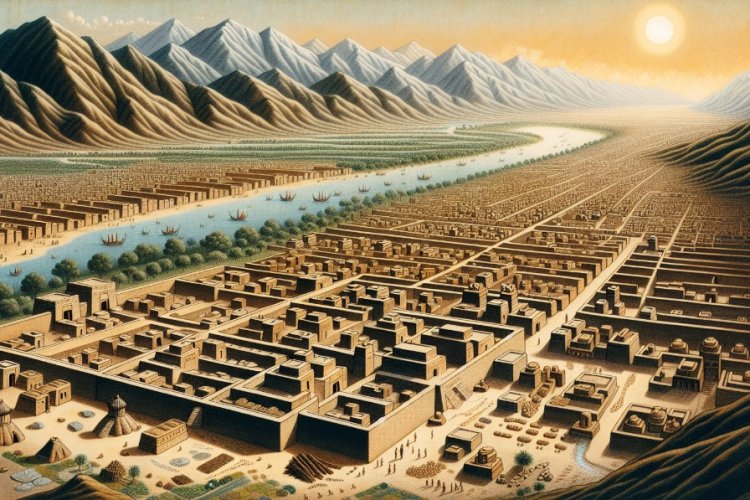
One of the earliest urban societies, the Indus Valley Civilization (c. 3300–1300 BCE) was as advanced as Mesopotamia and Egypt. Its cities, such as Mohenjo-Daro and Harappa, featured complex drainage systems and planned streets. However, the civilization declined mysteriously, possibly due to climate change or invasion.

4. The Maya Civilization

Most Mysterious Lost Civilizations – Top 10 - Listing The BEST

The Maya built magnificent cities in present-day Mexico, Guatemala, and Belize. Despite their achievements in astronomy, mathematics, and writing, their great cities were largely abandoned by the 9th century. Theories behind their downfall include drought, overpopulation, and warfare.

5. The Nabateans

Most Mysterious Lost Civilizations – Top 10 - Listing The BEST

Famous for building Petra, a stunning city carved into rock, the Nabateans mysteriously vanished from history. Their disappearance remains unclear, but it is believed that shifting trade routes and Roman conquests played a role in their decline.

6. The Khmer Empire

Most Mysterious Lost Civilizations – Top 10 - Listing The BEST

The Khmer Empire ruled much of Southeast Asia, with Angkor Wat as its grand capital. At its peak, Angkor was one of the largest cities in the world, but by the 15th century, it was abandoned. Theories suggest climate changes, war, and failing infrastructure led to its downfall.

7. The Olmec Civilization

Most Mysterious Lost Civilizations – Top 10 - Listing The BEST

One of Mesoamerica’s earliest civilizations, the Olmecs (c. 1500–400 BCE) left behind giant stone heads and evidence of a complex society. Despite their influence on later cultures like the Maya and Aztecs, little is known about why they disappeared.

8. The Hittites

Most Mysterious Lost Civilizations – Top 10 - Listing The BEST

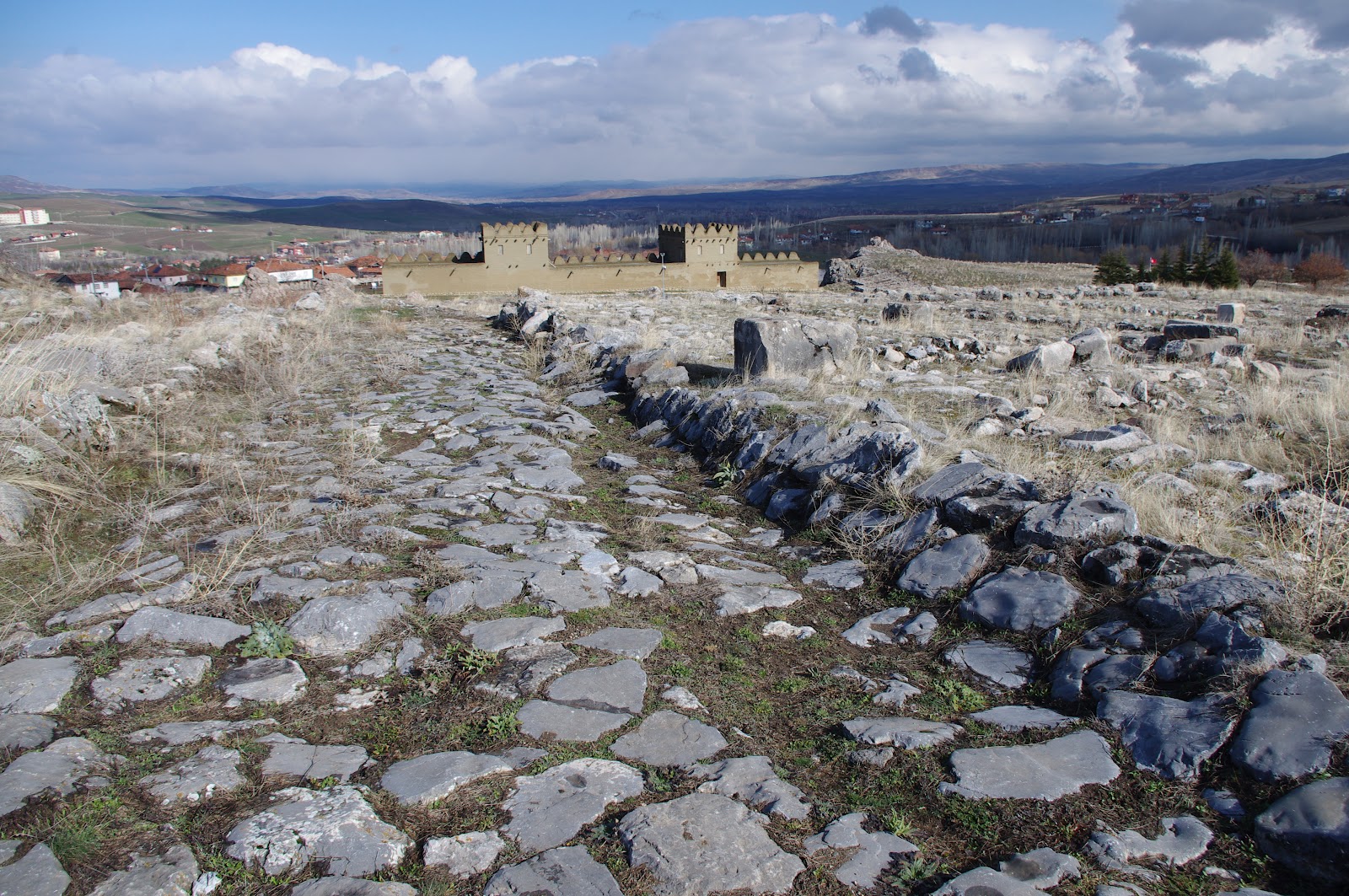
Once a powerful empire rivaling Egypt, the Hittites ruled much of Anatolia (modern-day Turkey). Around 1200 BCE, their civilization collapsed suddenly during the mysterious Bronze Age Collapse. Invasions, internal struggles, and natural disasters may have contributed to their fall.

9. The Minoans

The Minoans flourished on the island of Crete, creating the legendary palace of Knossos. Their decline around 1450 BCE has been linked to a massive volcanic eruption on Thera (Santorini) and later invasions by the Mycenaeans.

10. The Cahokia Civilization

Located in present-day Illinois, Cahokia was the largest pre-Columbian city in North America. It had a sophisticated society with large earth mounds and an advanced trade network. However, by the 14th century, it was abandoned, likely due to climate shifts, resource depletion, or social unrest.

Conclusion

These civilizations left behind remarkable legacies but disappeared under mysterious circumstances. Whether due to natural disasters, wars, or societal collapse, their stories continue to captivate archaeologists and history enthusiasts alike.

Do you have a favorite lost civilization, or do you want me to expand on any of them? 😊

February 26, 2025 0 comments
0 FacebookTwitterPinterestEmail
MUSIC

Timeless Classical Compositions (TOP 10)

by ListingTheBest February 25, 2025
written by ListingTheBest

Classical Compositions

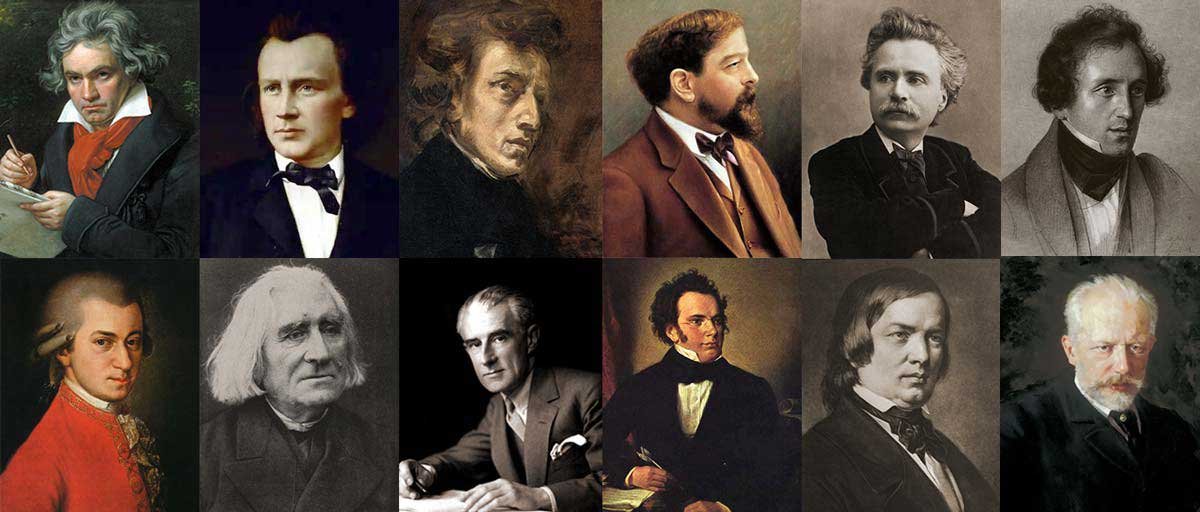
Classical music has endured for centuries, inspiring countless artists across different genres. Some of the most famous pieces include:

Ludwig van Beethoven – Symphony No. 9

Wolfgang Amadeus Mozart – Eine kleine Nachtmusik

Johann Sebastian Bach – Toccata and Fugue in D Minor

Pyotr Ilyich Tchaikovsky – Swan Lake

Antonio Vivaldi – The Four Seasons

Frédéric Chopin – Nocturne Op. 9 No. 2

Gustav Holst – The Planets

Richard Wagner – Ride of the Valkyries

Johannes Brahms – Hungarian Dance No. 5

Claude Debussy – Clair de Lune

February 25, 2025 0 comments
0 FacebookTwitterPinterestEmail
MUSIC

The Most Influential Musicians of All Time (TOP 10)

by ListingTheBest February 25, 2025
written by ListingTheBest

The Most Influential Musicians of All Time

Certain artists have reshaped the music landscape, setting trends and breaking boundaries. These musicians are regarded as the most influential of all time.

  1. The Beatles – The most groundbreaking band in music history.
  2. Elvis Presley – The King of Rock and Roll who transformed the genre.
  3. Michael Jackson – The King of Pop, with legendary performances and record-breaking albums.
  4. Bob Dylan – A master of songwriting and poetic storytelling.
  5. Beyoncé – A global icon pushing music, visuals, and performance to new heights.
  6. Madonna – The Queen of Pop, revolutionizing music and culture.
  7. Jimi Hendrix – A guitar genius who redefined rock music.
  8. Prince – A multi-talented artist known for innovation and genre-blending.
  9. Freddie Mercury – The legendary voice behind Queen’s biggest hits.
  10. Tupac Shakur – A hip-hop icon who influenced music and social movements.
February 25, 2025 0 comments
0 FacebookTwitterPinterestEmail
MUSIC

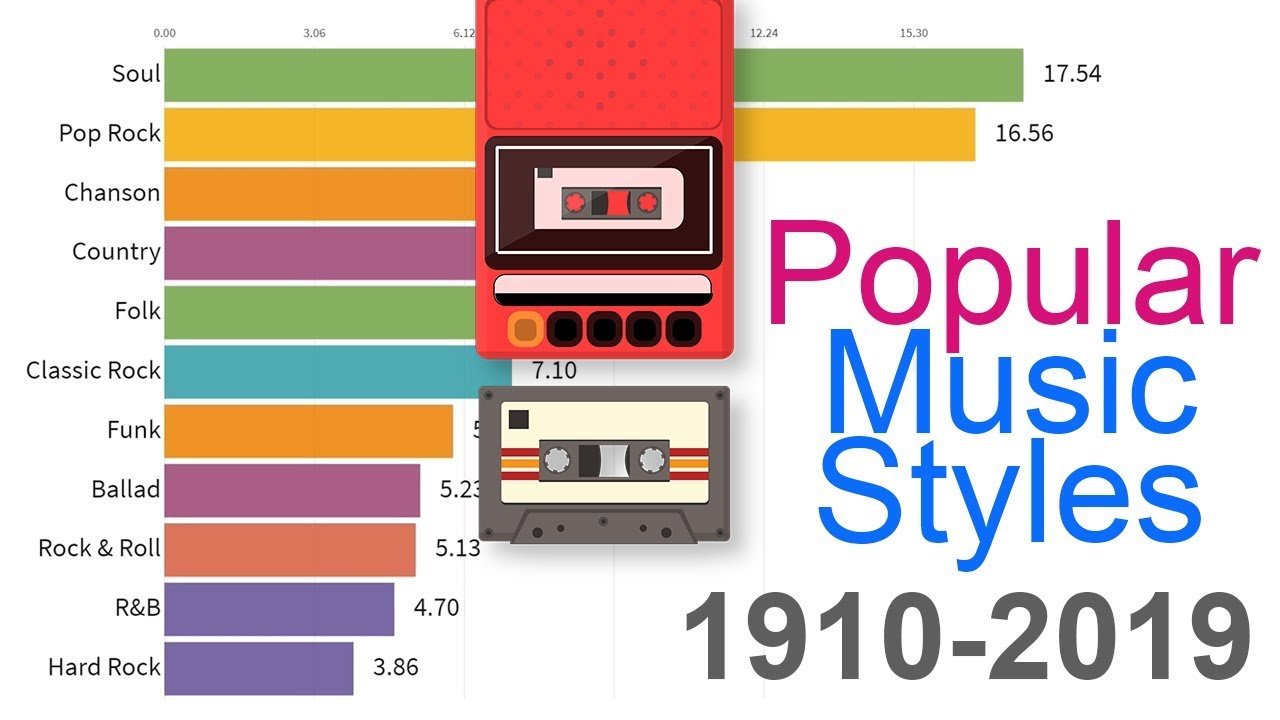
Best Music Genres That Shaped History (TOP 10)

by ListingTheBest February 25, 2025
written by ListingTheBest

Different genres have played a major role in shaping the music industry. Here are some of the most impactful ones:

  1. – The foundation of modern music, with legends like The Rolling Stones, Led Zeppelin, and Queen.
  2. Pop – Defined by artists like Madonna, Michael Jackson, and Taylor Swift.
  3. Hip-Hop/Rap – Revolutionized by pioneers like Tupac, Notorious B.I.G., and Jay-Z.
  4. Jazz – A genre of improvisation and soulful melodies, led by Louis Armstrong and Miles Davis.
  5. Classical – Timeless compositions from Beethoven, Mozart, and Bach.
  6. Blues – The backbone of rock and roll, shaping artists like B.B. King and Muddy Waters.
  7. Reggae – Made famous by Bob Marley, bringing messages of peace and unity.
  8. Metal – Heavy guitar riffs and powerful vocals from bands like Metallica and Iron Maiden.
  9. Dominating modern music with DJs like Daft Punk and Avicii.
  10. R&B/Soul – Deeply emotional and rich music from legends like Aretha Franklin and Stevie Wonder.

February 25, 2025 0 comments
0 FacebookTwitterPinterestEmail
MUSIC

Most Iconic Albums of All Time (TOP 10)

by ListingTheBest February 25, 2025
written by ListingTheBest

The Most Iconic Albums of All Time

An album is more than just a collection of songs—it’s a masterpiece that defines an era. These albums not only achieved critical acclaim but also influenced generations of musicians.

  1. The Beatles – Sgt. Pepper’s Lonely Hearts Club Band (1967)
  2. Pink Floyd – The Dark Side of the Moon (1973)
  3. Michael Jackson – Thriller (1982)
  4. Nirvana – Nevermind (1991)
  5. The Rolling Stones – Exile on Main St. (1972)
  6. Fleetwood Mac – Rumours (1977)
  7. Prince – Purple Rain (1984)
  8. The Beach Boys – Pet Sounds (1966)
  9. Bob Dylan – Highway 61 Revisited (1965)
  10. Beyoncé – Lemonade (2016)


[adace-ad id=”6323″]


February 25, 2025 0 comments
0 FacebookTwitterPinterestEmail
MUSIC

Most Iconic Albums of All Time

by ListingTheBest February 25, 2025
written by ListingTheBest

This article delves into the iconic albums that have not only shaped the musical landscape but also left an indelible mark on popular culture. We’ll explore the criteria used to define “iconic,” examining the albums’ cultural impact, musical innovation, and lasting legacy. We’ll analyze five key subtopics that help illustrate the enduring power of these recordings and their continued influence on contemporary music. Prepare to revisit some of the most significant and influential albums ever created, and discover why they continue to resonate with listeners across generations.

Introduction

Defining an “iconic” album is inherently subjective, yet some recordings transcend mere popularity to achieve a status of enduring cultural significance. These albums often represent a watershed moment in music history, pushing creative boundaries, influencing subsequent artists, and becoming deeply embedded in the collective consciousness. This exploration aims to celebrate some of these masterpieces, examining their impact and the reasons behind their enduring appeal. We’ll be looking at not just the music itself, but the cultural context in which these albums were released and the subsequent waves they created.

Genre-Defining Masterpieces

This category explores albums that virtually single-handedly defined or redefined entire musical genres. They weren’t just successful; they set the template for countless artists to follow.

  • Thriller by Michael Jackson (1982): This album redefined the music video and popularized the short-form music video as a crucial part of the artist’s promotion, resulting in MTV’s rise to prominence. Its innovative blend of pop, R&B, funk, and rock established a new standard for pop albums.
  • The Dark Side of the Moon by Pink Floyd (1973): A landmark achievement in progressive rock, this album’s sophisticated arrangements, philosophical lyrics, and innovative recording techniques influenced generations of musicians. Its sustained popularity and critical acclaim are unparalleled.
  • Never Mind the Bollocks, Here’s the Sex Pistols by Sex Pistols (1977): This album is the defining work of the punk rock movement, a raw, energetic, and rebellious statement that challenged musical conventions and societal norms. Its impact on subsequent punk and alternative music is undeniable.
  • What’s Going On by Marvin Gaye (1971): A socially conscious masterpiece, this album addressed themes of war, poverty, and environmental degradation with a blend of soul, R&B, and funk. Its powerful message continues to resonate today.
  • Horses by Patti Smith (1975): This album is considered a cornerstone of punk and proto-punk, blending poetry, rock music, and experimental sound. Smith’s raw vocals and intensely personal lyrics established her as a unique and influential artist.


Cultural Impact and Social Commentary

These albums transcended music to become powerful statements reflecting the social and political climate of their time. They sparked conversations, fueled movements, and became ingrained in cultural memory.

  • Blonde on Blonde by Bob Dylan (1966): This sprawling double album showcased Dylan’s lyrical genius at its peak, exploring themes of love, loss, and disillusionment with poetic depth and musical complexity. Its influence on singer-songwriters is immeasurable.
  • The Marshall Mathers LP by Eminem (2000): This album cemented Eminem’s status as a rap superstar while sparking significant debate due to its controversial and often offensive lyrics. It reflected and contributed to the cultural conversation about hip-hop’s place in society.
  • Rumours by Fleetwood Mac (1977): This album’s exploration of interpersonal relationships and the complexities of romantic love struck a chord with listeners. It is considered one of the best-selling albums of all time, showing how personal struggles can resonate widely.
  • Graceland by Paul Simon (1986): This album’s innovative fusion of pop, rock, and South African musical styles was groundbreaking. It sparked both critical acclaim and controversy for its appropriation of South African music, yet its musical impact remains undeniable.
  • Are You Experienced by The Jimi Hendrix Experience (1967): Hendrix’s innovative guitar playing and psychedelic sound shattered musical boundaries. This album is not only seminal to psychedelic rock but a cultural touchstone of the counterculture movement.


Technical Innovation and Production Genius

Some albums stand out due to their groundbreaking production techniques, innovative recording methods, and overall sonic excellence. These albums pushed the boundaries of what was possible musically.

  • Sgt. Pepper’s Lonely Hearts Club Band by The Beatles (1967): This album was revolutionary for its innovative studio techniques and ambitious musical experimentation. It showcased the Beatles’ evolution beyond their early pop roots.
  • Pet Sounds by The Beach Boys (1966): Brian Wilson’s ambition in production and orchestration dramatically expanded the sonic possibilities of pop music. Its influence can be heard in countless albums that followed.
  • Kind of Blue by Miles Davis (1959): A cornerstone of modal jazz, this album’s emphasis on improvisation and atmospheric soundscapes redefined jazz music and influenced generations of musicians.
  • Axis: Bold as Love by The Jimi Hendrix Experience (1967): A follow-up to “Are You Experienced,” this album further explored Hendrix’s groundbreaking guitar work and experimental approach to studio recording.


Lasting Legacy and Enduring Influence

These albums didn’t just make a splash; they created ripples that continue to affect music today. Their influence resonates through the work of countless subsequent artists.

  • Blue by Joni Mitchell (1971): This intensely personal and emotionally raw album established Mitchell as a leading singer-songwriter. Its honesty and vulnerability continue to inspire songwriters today.
  • Exile on Main St. by The Rolling Stones (1972): This sprawling double album showcased the Stones at their creative peak, blending rock, blues, and country with unparalleled swagger. It remains a blueprint for rock albums.
  • London Calling by The Clash (1979): This album expanded the boundaries of punk rock, incorporating various musical styles and addressing social and political themes. It remains a highly influential album in alternative and punk music.
  • OK Computer by Radiohead (1997): This album redefined alternative rock with its innovative soundscapes, melancholic lyrics, and genre-bending experimentation. Its influence continues to be felt in modern indie and alternative music.
  • Automatic for the People by R.E.M. (1992): This album showcased R.E.M.’s evolution beyond their jangle-pop roots and ushered in a new era of sophisticated and emotionally resonant alternative rock. It remains a staple of 90s alternative.


Enduring Power: A Synthesis

The albums discussed above represent a small fraction of the countless recordings that have left a lasting impact. Their enduring power stems from a potent combination of musical innovation, cultural relevance, and sheer artistic brilliance. They were not simply popular; they were influential. They sparked movements, challenged norms, and continue to inspire and resonate with listeners today, demonstrating the extraordinary capacity of music to shape our world and leave an indelible mark on history. The very act of selecting just a few from such a vast catalog underscores the richness and depth of the musical landscape, and the difficulty of truly encapsulating the complex factors that create an iconic album. The selection itself is a testament to music’s enduring ability to move, inspire, and remain relevant across time.


Frequently Asked Questions

  • Q: What makes an album “iconic?” A: An iconic album is more than just commercially successful; it possesses a combination of factors including groundbreaking musical innovation, significant cultural impact, lasting influence on subsequent artists, and continued relevance and appreciation across generations.
  • Q: Are these albums solely judged on musical merit? A: While musical quality is a key factor, we also consider the album’s broader cultural influence, its impact on society, and its lasting legacy in shaping musical trends and attitudes.
  • Q: Why are some albums left off this list? A: This list represents a selection of iconic albums, and inevitably, many worthy contenders could be included. The selection reflects a balance of different genres and eras, aiming for representation while acknowledging the inherent subjectivity of such a task.
February 25, 2025 0 comments
0 FacebookTwitterPinterestEmail
MUSICPEOPLE

Greatest Songs Ever (TOP 10)

by ListingTheBest February 25, 2025
written by ListingTheBest

The Greatest Songs Ever (TOP 10).

Some songs have stood the test of time, becoming anthems for multiple generations. Whether it’s a rock ballad, a pop hit, or a soulful classic, these songs are considered some of the best ever recorded.

Bohemian Rhapsody – Queen (1975)

Imagine – John Lennon (1971)

Like a Rolling Stone – Bob Dylan (1965)

Billie Jean – Michael Jackson (1983)

Smells Like Teen Spirit – Nirvana (1991)

Hotel California – Eagles (1976)

Hey Jude – The Beatles (1968)

Stairway to Heaven – Led Zeppelin (1971)

What’s Going On – Marvin Gaye (1971)

Shape of You – Ed Sheeran (2017)


Enjoy…

February 25, 2025 0 comments
0 FacebookTwitterPinterestEmail

Recent Posts

  • Albania Travel Costs 2026: Is It Still a Budget Paradise?
  • 10 Facts About Giorgio Armani
  • Who Will Be the Next Pope? Top 10 Cardinals to Become the Next Pope
  • Most Famous Assassinations In History (TOP 10)
  • Most Powerful Rulers Of All Time – TOP 10

Recent Comments

  1. Richest People In History – Top 10 - Listing The BEST on TOP 15 Leaders Responsible For The Genocides
  2. Most Influential Revolutions In History – Top 10 - Listing The BEST 😱 on Biggest Naval Battles In History – Top 10
  3. The Most Hated Politicians in the World in 2024 on TOP 15 Leaders Responsible For The Genocides
  4. Silver Moon on 16 most important UX design Principles
  5. Blue Sky on The World’s Top 10 Highest Paid Goalkeepers

Recent Comments

  • Richest People In History – Top 10 - Listing The BEST on TOP 15 Leaders Responsible For The Genocides
  • Most Influential Revolutions In History – Top 10 - Listing The BEST 😱 on Biggest Naval Battles In History – Top 10
  • The Most Hated Politicians in the World in 2024 on TOP 15 Leaders Responsible For The Genocides
  • Silver Moon on 16 most important UX design Principles
  • Blue Sky on The World’s Top 10 Highest Paid Goalkeepers

Categories

  • AFRICA
  • Animals
  • ASIA
  • BUSINESS
  • CULTURE
  • Earth
  • ENTERTAINMENT
  • EUROPE
  • Funny
  • GEOGRAPHY
  • Historical
  • HISTORY
  • Interesting FACTS
  • Leisure
  • LIFESTYLE
  • LIST
  • MUSIC
  • NATURE
  • NORTH AMERICA
  • OCEANIA
  • PEOPLE
  • Plants
  • Politics
  • POLL
  • QUIZ
  • Ranked list
  • SCIENCE & TECHNOLOGY
  • SOUTH AMERICA
  • SPORTS
  • Travel
  • Water
  • WEB
  • WORLD

Disclaimer

The information contained on the Service is for general information purposes
only.

The Company assumes no responsibility for errors or omissions in the contents
of the Service.

Full Disclaimer

  • Facebook
  • Twitter

@2021 - All Right Reserved. Designed and Developed by PenciDesign


Back To Top
We use cookies on our website to give you the most relevant experience by remembering your preferences and repeat visits. By clicking “Accept All”, you consent to the use of ALL the cookies. However, you may visit "Cookie Settings" to provide a controlled consent.
Cookie SettingsAccept All
Manage consent

Privacy Overview

This website uses cookies to improve your experience while you navigate through the website. Out of these, the cookies that are categorized as necessary are stored on your browser as they are essential for the working of basic functionalities of the website. We also use third-party cookies that help us analyze and understand how you use this website. These cookies will be stored in your browser only with your consent. You also have the option to opt-out of these cookies. But opting out of some of these cookies may affect your browsing experience.
Necessary
Always Enabled
Necessary cookies are absolutely essential for the website to function properly. These cookies ensure basic functionalities and security features of the website, anonymously.
CookieDurationDescription
cookielawinfo-checkbox-analytics11 monthsThis cookie is set by GDPR Cookie Consent plugin. The cookie is used to store the user consent for the cookies in the category "Analytics".
cookielawinfo-checkbox-functional11 monthsThe cookie is set by GDPR cookie consent to record the user consent for the cookies in the category "Functional".
cookielawinfo-checkbox-necessary11 monthsThis cookie is set by GDPR Cookie Consent plugin. The cookies is used to store the user consent for the cookies in the category "Necessary".
cookielawinfo-checkbox-others11 monthsThis cookie is set by GDPR Cookie Consent plugin. The cookie is used to store the user consent for the cookies in the category "Other.
cookielawinfo-checkbox-performance11 monthsThis cookie is set by GDPR Cookie Consent plugin. The cookie is used to store the user consent for the cookies in the category "Performance".
viewed_cookie_policy11 monthsThe cookie is set by the GDPR Cookie Consent plugin and is used to store whether or not user has consented to the use of cookies. It does not store any personal data.
Functional
Functional cookies help to perform certain functionalities like sharing the content of the website on social media platforms, collect feedbacks, and other third-party features.
Performance
Performance cookies are used to understand and analyze the key performance indexes of the website which helps in delivering a better user experience for the visitors.
Analytics
Analytical cookies are used to understand how visitors interact with the website. These cookies help provide information on metrics the number of visitors, bounce rate, traffic source, etc.
Advertisement
Advertisement cookies are used to provide visitors with relevant ads and marketing campaigns. These cookies track visitors across websites and collect information to provide customized ads.
Others
Other uncategorized cookies are those that are being analyzed and have not been classified into a category as yet.
SAVE & ACCEPT
Listing The BEST
  • WORLD
    • AFRICA
    • ASIA
    • EUROPE
    • NORTH AMERICA
    • SOUTH AMERICA
    • OCEANIA
  • NATURE
    • Animals
    • Water
    • Earth
  • HISTORY
  • CULTURE
    • MUSIC
  • PEOPLE
    • Politics
    • LIFESTYLE
      • Leisure
    • BUSINESS
  • SPORTS