What are the Most Hated Politicians in the World in 2024?
Politics is a field that often stirs strong emotions, and while some leaders are celebrated for their achievements, others face significant backlash for their policies, actions, or perceived failures. In 2024, a number of political figures have found themselves at the center of widespread discontent, with their leadership styles and decisions making them some of the most disliked politicians globally. This article explores the factors that have led to their unpopularity and the impact they’ve had on their countries and the world.
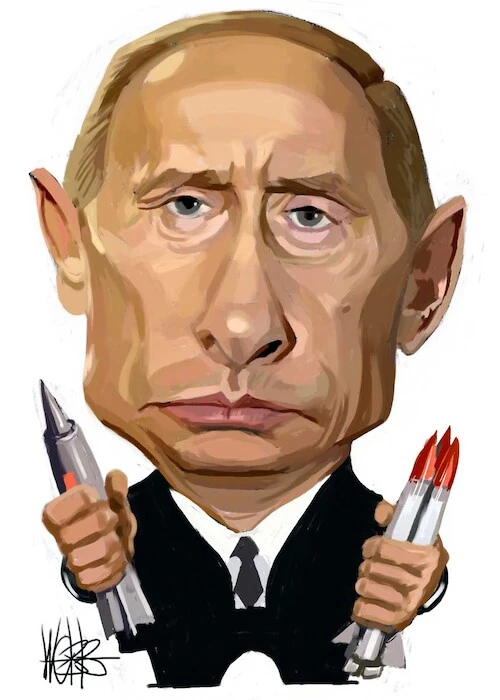
1. Vladimir Putin – Russia
2. Bashar al-Assad – Syria

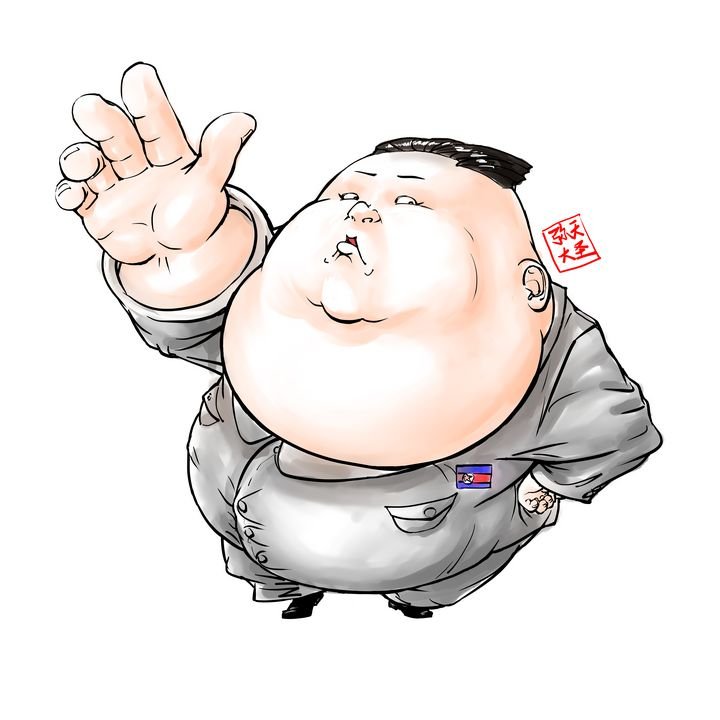
3. Kim Jong-un – North Korea
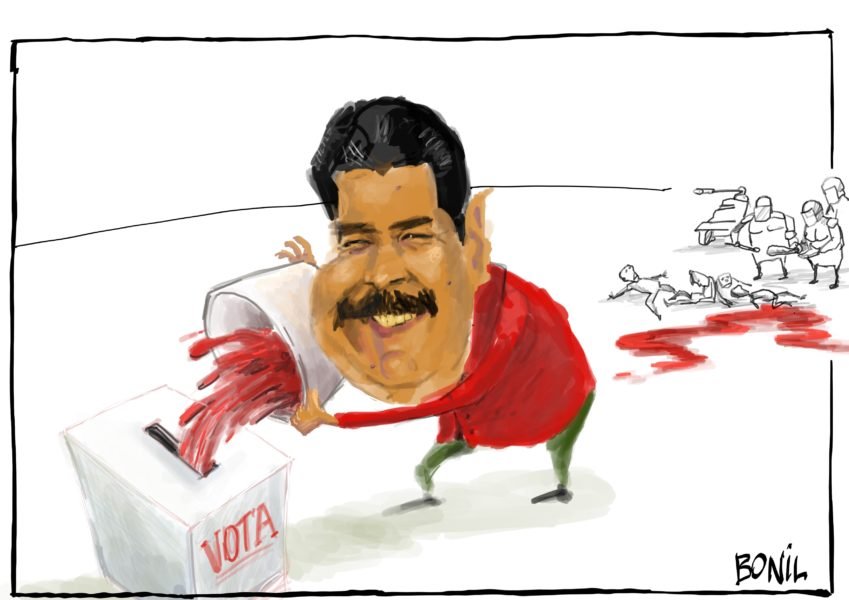
4. Nicolás Maduro – Venezuela
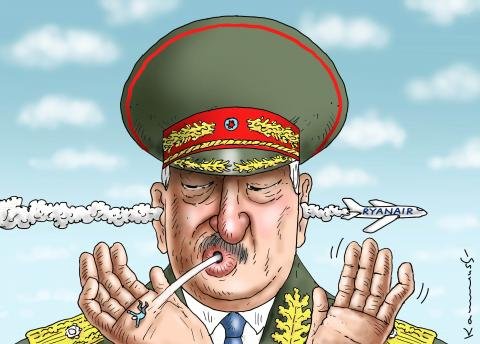
5. Alexander Lukashenko – Belarus
6. Rodrigo Duterte – Philippines
Rodrigo Duterte, the former President of the Philippines, garnered global criticism for his brutal “war on drugs,” which led to thousands of extrajudicial killings. Human rights organizations and international bodies have condemned Duterte’s disregard for the rule of law and the high death toll of his anti-drug campaign. While he remains popular among some segments of the Philippine population, Duterte’s authoritarian tactics and violent rhetoric have made him a highly polarizing and widely disliked figure worldwide.
7. Mohammed bin Salman (MBS) – Saudi Arabia
Crown Prince Mohammed bin Salman, often referred to as MBS, is a key figure in Saudi Arabian politics and has been a divisive leader. While he has initiated some social reforms, such as allowing women to drive, his tenure has been marred by severe human rights abuses, including the crackdown on dissent and the murder of journalist Jamal Khashoggi. The international outrage over Khashoggi’s assassination, which was linked to MBS, has significantly damaged his reputation, making him one of the most disliked leaders on the global stage.
8. Benjamin Netanyahu – Israel
Benjamin Netanyahu, Israel’s long-serving Prime Minister, is a deeply polarizing figure both within Israel and internationally. His hardline stance on the Israeli-Palestinian conflict, expansion of settlements in the West Bank, and recent judicial reforms that many see as undermining democracy have sparked widespread protests and criticism. Netanyahu’s leadership style, often seen as divisive and confrontational, has made him a highly contentious figure in global politics.
9. Jair Bolsonaro – Brazil
Jair Bolsonaro, the former President of Brazil, was widely criticized for his handling of the COVID-19 pandemic, which led to one of the highest death tolls in the world. His denial of the virus’s severity, refusal to implement lockdowns, and promotion of unproven treatments drew international condemnation. Bolsonaro’s environmental policies, which facilitated deforestation in the Amazon, further alienated global environmentalists and activists. His controversial statements and policies on various social issues also contributed to his significant unpopularity.
10. Xi Jinping – China
Xi Jinping, China’s President and General Secretary of the Communist Party, has faced growing international criticism for his increasingly authoritarian rule. Under Xi, China has seen a significant crackdown on freedoms, including the suppression of the pro-democracy movement in Hong Kong, the mass internment of Uyghur Muslims in Xinjiang, and the implementation of pervasive surveillance technologies. Xi’s centralization of power, along with his aggressive foreign policy, has led to heightened tensions with many countries, making him one of the most contentious leaders globally.
3 comments