The Winter Olympics: a majestic spectacle of human athleticism, grace on ice, and… angry librarians? That’s right. Beneath the shimmer of gold medals and the swish of skis lies a treasure trove of bizarre, hilarious, and utterly fascinating stories that don’t make the primetime highlight reel.
Grab a hot cocoa and brace yourself for the most interesting and amazing facts you definitely didn’t know about the Winter Olympics.
The Original “Cool Runnings” Was WAY Colder.
We all know Jamaica’s bobsled story, but what about their inspiration? In 1928, Mexico sent a 5-man bobsled team to St. Moritz. None had seen snow before arriving. Their borrowed sled? Nicknamed “The Mexican Cracker.” They finished dead last, but won hearts for sheer, frozen bravery.
The Gold Medal Isn’t Really Gold.
Sorry to shatter the illusion. The last time solid gold medals were awarded was at the 1912 Summer Olympics. Today’s “gold” medals are actually silver plated with about 6 grams of real gold. So they’re mostly fancy silver. Still cold to bite, though.
The Sport That Involved Shooting at People (Kind Of).
Biathlon—the skiing and shooting combo—has roots in Scandinavian survival skills. But its Olympic predecessor was Military Patrol, a event from 1924-1948 that involved cross-country skiing, rifle shooting, and a simulated grenade throw. It was literally a military exercise. Talk about high-stakes competition.
The Missing-Toe Gold Medalist.
American figure skater Terry Kubicka is a legend for one insane move: the backflip. He landed it perfectly at the 1976 Games. It’s now banned for being too dangerous. Less known? He once severed his big toe in a lawnmower accident as a kid. Doctors reattached it, and he went on to flip on Olympic ice. Tough doesn’t begin to describe it.
When the Mascot Was a… Yeti with a Quiff?
Olympic mascots can be hit or miss. Sochi 2014 gave us a trio: The Hare, The Leopard, and The Polar Bear. All fine. But the star was their sidekick, “Snezhinka” — a second, lesser-known snowflake with a bewildered expression that became a meme masterpiece for its “I’ve seen things” vibe.
The Curling Stone Secret.
All curling stones in the Olympics come from one tiny island in Scotland: Ailsa Craig. The granite there, called “Blue Hone,” is perfect for withstanding impact and not absorbing water. The world’s supply of elite curling rocks is literally quarried from a single spot. Guard them with your life.
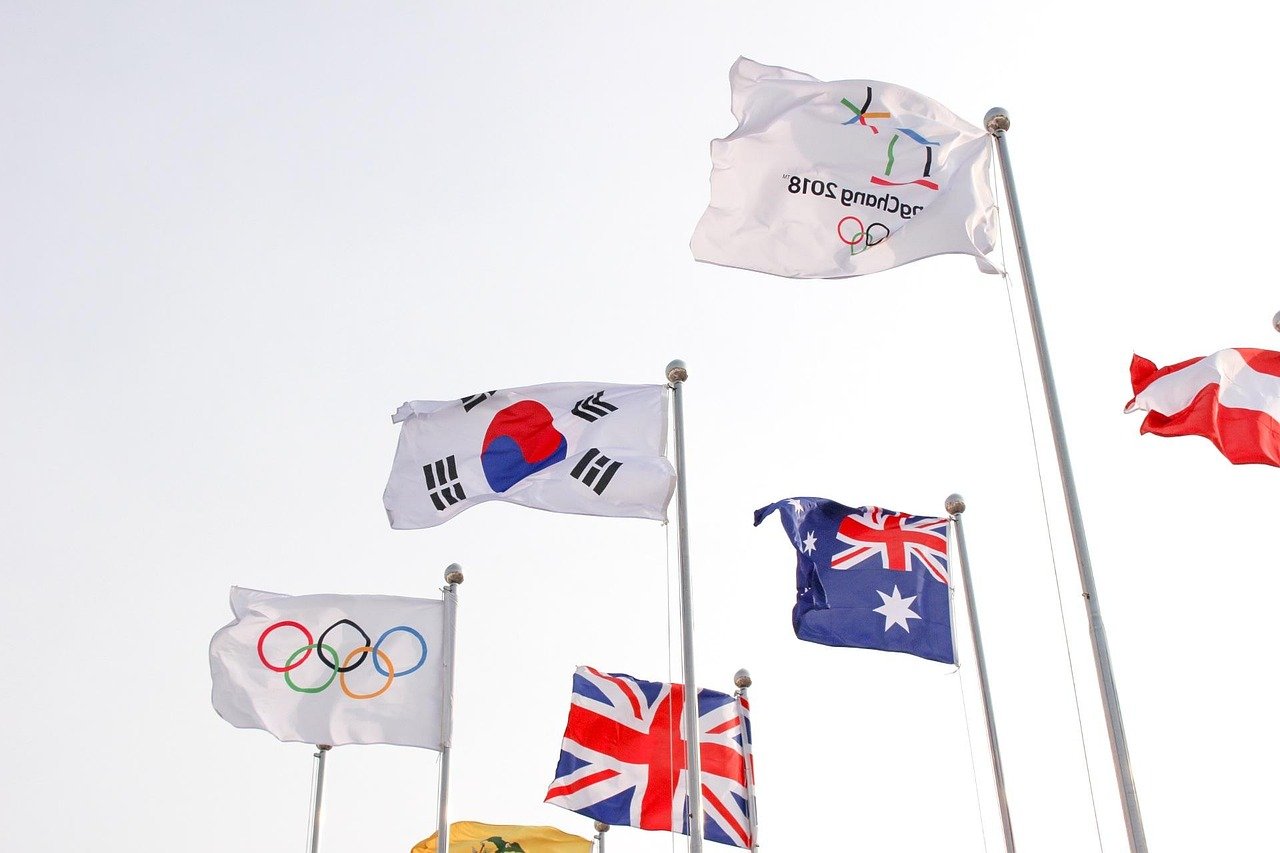
The Longest Event in Olympic History (Winter or Summer).
The 50km Men’s Cross-Country Skiing race is arguably the most grueling test of endurance at the Games. It takes the best athletes over two hours of all-out exertion. For context, that’s like running a marathon in freezing temps while doing the world’s most exhausting leg day.
When Librarians Took to the Ice.
In 1932, the USA four-man bobsled team was made up of three college librarians and their football-playing friend. They shocked everyone by winning gold at Lake Placid. The lesson? Never underestimate a librarian with a need for speed and a slide rule.
The Weather is Such a Drama Queen.
The Winter Olympics are at the mercy of Mother Nature’s mood swings. At the 2010 Vancouver Games, they had to import snow by the truckload from higher elevations. At the 2014 Sochi Games, it was so warm, volunteers painted the brown slopes white for the opening ceremony. Fake it till you make it, Olympics-style.
The Youngest Gold Medalist Was a Figure Skater… on Roller Skates?
British figure skater Cecilia Colledge was just 11 years old when she competed at the 1932 Games. She didn’t medal then but later won silver in 1936. Even crazier? To train during off-seasons in London, she often practiced on roller skates in a rink above a bus depot.
Why These Facts Matter (Beyond the Laughs)
These stories remind us that the Olympics aren’t just about pristine records and perfect landings. They’re about human quirkiness, improbable journeys, and adapting to chaos—whether it’s missing toes, missing snow, or sledding librarians. It’s the weirdness that makes the glory so relatable and so much sweeter.
So next time you watch a luge rocket down the track, remember: that sled’s runner might be older than your grandparents, the gold medal is mostly silver, and somewhere, a mascot snowflake is still staring into the void, remembering the warmth of Sochi.
Which fact blew your mind the most? Share this with a friend who thinks they know sports! #WinterOlympics #OlympicFacts #WeirdSports #DidYouKnow #FunFacts
///